

CT Scan Report
A CT scan report is one of the most important medical documents used in modern healthcare for diagnosing and monitoring various health conditions. Computed Tomography, commonly known as a CT scan, provides detailed cross-sectional images of the body that help doctors identify internal problems more accurately than standard X-rays.
From detecting injuries and infections to diagnosing tumors and monitoring treatment progress, CT scans play a critical role in medical decision-making. After the imaging procedure is completed, a radiologist carefully reviews the images and prepares a CT scan report that explains the findings and observations.
Understanding a CT scan report can help patients feel more informed about their health condition and treatment process.
What Is a CT Scan?
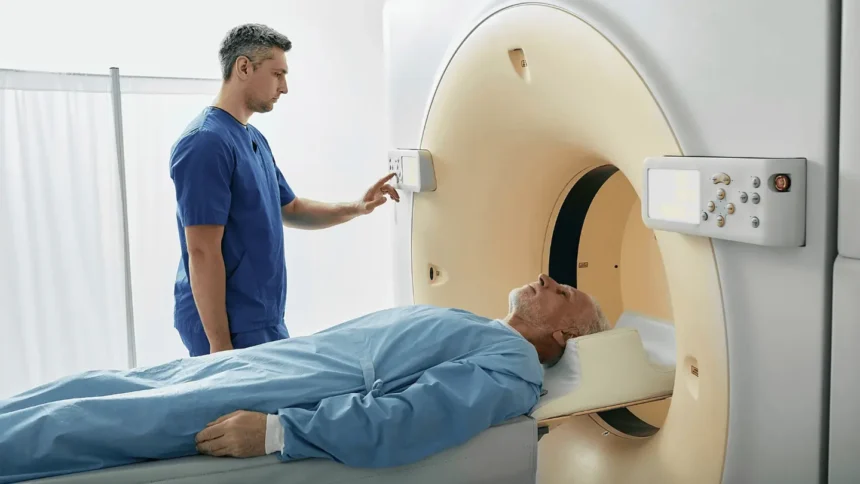
A CT scan is a medical imaging procedure that uses X-rays and computer technology to create detailed images of organs, bones, tissues, and blood vessels inside the body.
Unlike regular X-rays, CT scans provide cross-sectional views that offer more detailed information for accurate diagnosis.
CT scans are commonly used for examining:
- Brain and head injuries
- Chest and lungs
- Abdomen and pelvis
- Bones and joints
- Blood vessels
- Internal organs
Doctors often recommend CT scans when they need a clearer and more detailed view of internal body structures.
What Is a CT Scan Report?
A CT scan report is the written interpretation of the imaging results prepared by a radiologist. The report explains whether any abnormalities, injuries, infections, or medical conditions are visible in the scanned area.
The report is then shared with the treating doctor, who uses the findings to guide diagnosis and treatment planning.
A CT scan report usually contains:
- Patient information
- Scan type and body area
- Imaging technique details
- Observations and findings
- Impression or conclusion
- Recommendations if needed
The language in CT scan reports can sometimes appear technical, which is why doctors help explain the findings to patients.
Why CT Scan Reports Are Important
CT scan reports are essential because they help doctors detect and monitor many medical conditions quickly and accurately.
Early Disease Detection
CT scans can identify diseases at an early stage before symptoms become severe. Early diagnosis often improves treatment success and recovery outcomes.
Accurate Diagnosis
Detailed imaging helps doctors confirm or rule out conditions such as infections, fractures, tumors, internal bleeding, and organ damage.
Treatment Monitoring
Doctors may use repeated CT scans to monitor treatment progress after surgery, chemotherapy, or other medical procedures.
Emergency Medical Care
CT scans are widely used in emergency departments because they provide rapid imaging results for critical conditions like stroke, trauma, or internal injuries.
Common Sections in a CT Scan Report
Understanding the structure of a CT scan report can help patients better understand their medical information.
Clinical History
This section explains why the scan was ordered and may include symptoms or suspected conditions.
Technique
The technique section describes how the scan was performed, including whether contrast dye was used.
Findings
The findings section contains detailed observations about organs, tissues, bones, or blood vessels visible in the scan.
Radiologists describe whether structures appear normal or abnormal.
Impression
The impression section summarizes the most important findings and provides the radiologist’s conclusion.
Doctors often focus heavily on this section when discussing results with patients.
Common Findings in a CT Scan Report
CT scan reports may reveal different types of medical conditions depending on the body area examined.
Fractures and Injuries
CT scans are highly effective for detecting bone fractures, head injuries, and internal trauma after accidents.
Tumors or Masses
Abnormal growths or tumors may appear in CT imaging and require further testing or treatment.
Infections
CT scans can identify infections such as pneumonia, abscesses, or inflammation inside the body.
Internal Bleeding
Emergency CT scans are commonly used to detect internal bleeding after injury or surgery.
Organ Abnormalities
CT imaging helps doctors examine organs such as the liver, kidneys, lungs, pancreas, and brain for abnormalities.
CT Scan With Contrast vs Without Contrast
Some CT scans require contrast dye while others do not.
CT Scan With Contrast
Contrast material helps improve image clarity and highlights blood vessels, organs, and tissues more clearly.
Doctors often use contrast scans to detect tumors, infections, or blood flow problems.
CT Scan Without Contrast
Non-contrast CT scans are commonly used for examining bones, head injuries, or conditions where contrast is unnecessary.
The choice depends on the patient’s condition and diagnostic needs.
How Long Does It Take to Get a CT Scan Report?
The time required for a CT scan report can vary depending on the medical facility and urgency of the case.
Emergency reports may be completed within minutes, while routine scans may take several hours or days.
Radiologists carefully analyze images before finalizing the report to ensure accuracy.
Preparing for a CT Scan
Preparation depends on the type of CT scan being performed.
Fasting Requirements
Some scans require patients to avoid eating or drinking for several hours before the procedure.
Wearing Comfortable Clothing
Patients may need to wear hospital gowns and remove jewelry or metal objects before imaging.
Informing the Doctor About Medical Conditions
Patients should inform healthcare providers about allergies, pregnancy, kidney disease, or medications before receiving contrast dye.
Risks and Safety of CT Scans
CT scans are generally safe and widely used in modern medicine.
Radiation Exposure
CT scans involve low levels of radiation exposure, but doctors carefully evaluate the benefits versus risks before ordering imaging tests.
Contrast Dye Reactions
Some patients may experience mild allergic reactions to contrast material, although serious complications are rare.
Healthcare providers monitor patients carefully during the procedure.
Why Patients Should Discuss CT Scan Reports With Doctors
CT scan reports often contain medical terminology that may be difficult to understand without professional guidance.
Doctors explain:
- The meaning of findings
- Whether abnormalities are serious
- Recommended treatments
- Additional testing if necessary
Discussing the report with a healthcare provider ensures patients receive accurate information and appropriate medical advice.
Conclusion
A CT scan report is an essential medical document that helps doctors diagnose, monitor, and treat many health conditions accurately. From detecting injuries and infections to identifying tumors and organ abnormalities, CT scans provide detailed imaging that supports modern healthcare.
Understanding the basics of a CT scan report can help patients feel more informed and confident during the diagnostic process. While medical terminology may seem complex, healthcare professionals guide patients through the results and explain the next steps clearly.
As medical imaging technology continues to improve, CT scans will remain one of the most valuable tools for accurate diagnosis and effective patient care.