

Lemongrass: Benefits, Uses, Nutrition, and Growing Guide
Lemongrass is a fragrant tropical herb widely used in cooking, herbal remedies, and wellness products. Known for its refreshing citrus aroma and unique flavor, lemongrass has become a staple ingredient in many Asian cuisines and natural health practices. Beyond its culinary appeal, lemongrass offers a variety of potential health benefits, making it a favorite among health-conscious individuals.
Whether you enjoy it in tea, soups, essential oils, or home remedies, lemongrass is a versatile herb that can enhance both your meals and your lifestyle. This comprehensive guide explores everything you need to know about lemongrass, including its benefits, nutritional profile, uses, and growing tips.
What Is Lemongrass?
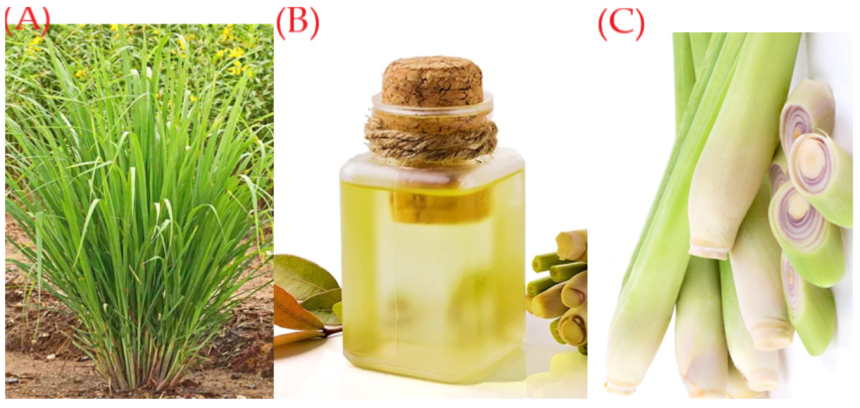
Lemongrass is a tropical plant belonging to the grass family, scientifically known as Cymbopogon. It grows in dense clumps and features long, slender green leaves with a distinctive lemon-like scent.
Native to Southeast Asia, lemongrass is commonly used in countries such as Thailand, Vietnam, Indonesia, India, and Sri Lanka. Today, it is cultivated worldwide for culinary, medicinal, and commercial purposes.
Nutritional Value of Lemongrass
Lemongrass contains several beneficial nutrients and plant compounds that contribute to its popularity.
A typical serving may contain:
- Vitamin A
- Vitamin C
- Folate
- Potassium
- Magnesium
- Calcium
- Iron
- Antioxidants
In addition to these nutrients, lemongrass contains essential oils such as citral and limonene, which are responsible for its aroma and many of its potential health benefits.
Health Benefits of Lemongrass
Rich in Antioxidants
One of the most notable benefits of lemongrass is its antioxidant content.
Antioxidants help protect cells from damage caused by free radicals, which may contribute to aging and various chronic health conditions.
Supports Digestive Health
Lemongrass tea has traditionally been used to support digestion.
Many people consume lemongrass beverages to help:
- Reduce bloating
- Ease stomach discomfort
- Support healthy digestion
- Promote regular bowel movements
May Help Support Healthy Cholesterol Levels
Some studies suggest that compounds found in lemongrass may contribute to maintaining healthy cholesterol levels when combined with a balanced diet and healthy lifestyle.
Promotes Relaxation
The pleasant aroma of lemongrass is commonly used in aromatherapy.
Its refreshing scent may help:
- Reduce stress
- Promote relaxation
- Improve mood
- Create a calming environment
Supports Hydration
Lemongrass tea provides a flavorful way to stay hydrated throughout the day without added sugars or artificial ingredients.
Culinary Uses of Lemongrass
Popular Ingredient in Asian Cuisine
Lemongrass is widely used in Southeast Asian cooking due to its bright citrus flavor.
It is commonly added to:
- Soups
- Curries
- Stir-fries
- Marinades
- Sauces
- Seafood dishes
The herb enhances dishes without overpowering other ingredients.
Lemongrass Tea
Lemongrass tea is one of the most popular ways to enjoy the herb.
To prepare:
- Slice fresh lemongrass stalks.
- Boil in water for 5–10 minutes.
- Strain and serve.
Many people add honey or ginger for additional flavor.
Flavoring for Beverages
Lemongrass is frequently used in:
- Herbal teas
- Iced drinks
- Detox beverages
- Cocktails
- Mocktails
Its refreshing taste makes it a favorite ingredient in both hot and cold drinks.
Lemongrass Essential Oil
Aromatherapy Applications
Lemongrass essential oil is widely used in aromatherapy products.
Its invigorating scent can help freshen indoor spaces and create a pleasant atmosphere.
Home Fragrance
Many people use lemongrass oil in:
- Diffusers
- Candles
- Room sprays
- Air fresheners
The citrus fragrance is often associated with cleanliness and freshness.
Personal Care Products
Lemongrass is commonly found in:
- Soaps
- Shampoos
- Lotions
- Skincare products
Its refreshing aroma makes it a popular ingredient in personal care formulations.
How to Grow Lemongrass at Home
Growing lemongrass is relatively easy, making it a great addition to home gardens.
Choose a Sunny Location
Lemongrass thrives in warm climates with plenty of sunlight.
Aim for at least six hours of direct sunlight daily.
Use Well-Drained Soil
The plant prefers fertile, well-draining soil to support healthy root growth.
Water Regularly
Keep the soil consistently moist but avoid overwatering.
Harvesting Lemongrass
Lemongrass can typically be harvested once stalks reach about 12 inches in height.
Cut mature stalks near the base while allowing the plant to continue growing.
Potential Side Effects of Lemongrass
For most people, lemongrass is considered safe when consumed in normal food amounts.
However, excessive consumption may cause:
- Digestive discomfort
- Allergic reactions in sensitive individuals
- Potential interactions with certain medications
If you have underlying health conditions or concerns, consult a healthcare professional before using lemongrass supplements or concentrated extracts.
Why Lemongrass Is So Popular
The growing popularity of lemongrass can be attributed to its many advantages:
- Pleasant citrus flavor
- Culinary versatility
- Refreshing aroma
- Potential wellness benefits
- Easy cultivation
- Natural ingredient appeal
Its combination of flavor and functionality makes it a valuable herb for both cooking and wellness routines.
Tips for Using Lemongrass
To get the most from lemongrass:
- Use fresh stalks whenever possible.
- Store refrigerated for extended freshness.
- Freeze chopped lemongrass for future use.
- Add it to soups and broths during cooking.
- Experiment with homemade herbal teas.
These simple practices can help maximize both flavor and convenience.
Conclusion
Lemongrass is a versatile herb that offers much more than its refreshing citrus aroma. From enhancing soups, curries, and teas to supporting wellness routines and home gardening projects, lemongrass continues to gain popularity around the world.
Its nutritional value, potential health benefits, and wide range of applications make it a worthwhile addition to any kitchen or garden. Whether you’re brewing a soothing cup of lemongrass tea, experimenting with new recipes, or growing your own plants at home, this remarkable herb provides both flavor and functionality.
As interest in natural ingredients and healthy living continues to grow, lemongrass remains a timeless favorite for food lovers, gardeners, and wellness enthusiasts alike.