

Summer brings longer days, outdoor adventures, and plenty of sunshine. While it’s the perfect season for vacations and recreational activities, the rising temperatures also increase the risk of dehydration. Losing too much water through sweat without replacing it can lead to fatigue, headaches, dizziness, and even heat-related illnesses.
- Why Hydration Is More Important During Summer
- Best Hydration Tips During Summer
- Signs of Dehydration You Should Never Ignore
- Hydration Tips During Summer for Outdoor Activities
- Stay Hydrated Before Going Outside
- Take Regular Water Breaks
- Wear Breathable Clothing
- Avoid Peak Heat Hours
- Daily Habits That Support Better Hydration
- Common Hydration Mistakes to Avoid
- Conclusion
Following the right hydration tips during summer can help you stay energized, improve your overall health, and enjoy the season safely. Whether you’re spending time outdoors, exercising, or simply going about your daily routine, staying hydrated should be one of your top priorities.
Why Hydration Is More Important During Summer
Your body depends on water to regulate temperature, transport nutrients, lubricate joints, and support essential bodily functions. During hot weather, you sweat more to cool yourself down, which means you lose both water and important electrolytes.
If these fluids aren’t replaced, dehydration can occur quickly. Children, older adults, athletes, and people who work outdoors are especially vulnerable during the summer months.
Recognizing the importance of hydration is the first step toward building healthier habits that keep you safe in the heat.
Best Hydration Tips During Summer
Drink Water Regularly
One of the simplest hydration tips during summer is to drink water consistently throughout the day instead of waiting until you feel thirsty. Thirst often signals that your body is already becoming dehydrated.
Carry a reusable water bottle and take small sips frequently to maintain healthy hydration levels.
Eat Water-Rich Foods
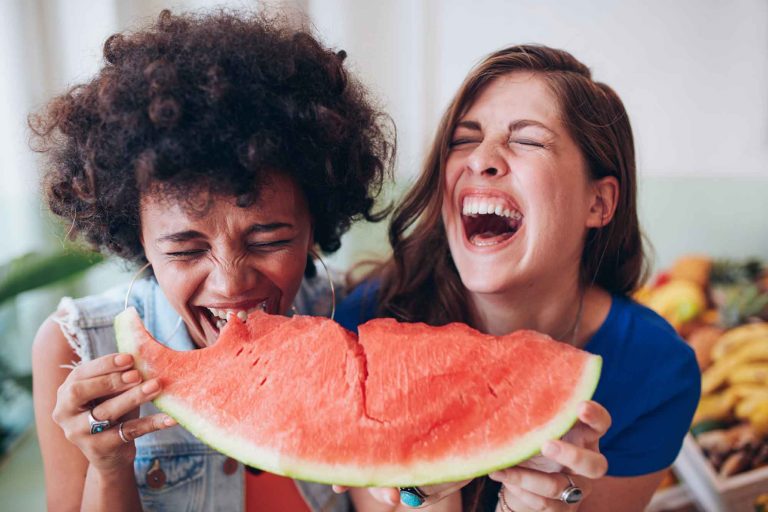
Many fruits and vegetables contain a high percentage of water, making them excellent additions to your summer diet.
Some of the best options include:
- Watermelon
- Cucumber
- Strawberries
- Oranges
- Pineapple
- Tomatoes
- Lettuce
- Celery
These foods not only provide hydration but also supply vitamins, minerals, and antioxidants that support overall wellness.
Replace Lost Electrolytes
Sweating causes your body to lose sodium, potassium, and other electrolytes that help regulate muscle and nerve function.
If you’re exercising intensely or spending several hours outdoors, consider replenishing electrolytes with:
- Coconut water
- Low-sugar electrolyte drinks
- Homemade electrolyte beverages
- Bananas and other potassium-rich foods
Avoid relying on sugary sports drinks unless they’re appropriate for your activity level.
Limit Dehydrating Beverages
While coffee and soft drinks are popular choices, consuming too many caffeinated or sugary beverages may not hydrate your body as effectively as water.
Alcohol can also increase fluid loss, making dehydration worse during hot weather.
Balance these drinks with plenty of water throughout the day.
Signs of Dehydration You Should Never Ignore
Knowing the warning signs can help you take action before dehydration becomes severe.
Common symptoms include:
- Dry mouth
- Dark yellow urine
- Fatigue
- Dizziness
- Headaches
- Muscle cramps
- Increased thirst
- Reduced urination
If symptoms become severe or include confusion, fainting, or rapid heartbeat, seek medical attention immediately.
Hydration Tips During Summer for Outdoor Activities
Stay Hydrated Before Going Outside
Don’t wait until you’re already sweating heavily. Drink water before leaving your home so your body starts well hydrated.
Take Regular Water Breaks
Whether you’re hiking, gardening, cycling, or playing sports, pause every 15–20 minutes to drink water, especially during peak afternoon temperatures.
Wear Breathable Clothing
Light-colored, loose-fitting clothing helps reduce overheating and excessive sweating, making it easier to maintain hydration.
Avoid Peak Heat Hours
Whenever possible, schedule outdoor activities during the early morning or evening when temperatures are lower.
Daily Habits That Support Better Hydration
Developing small daily habits makes it easier to stay hydrated throughout the season.
Try these practical strategies:
- Start your morning with a glass of water.
- Carry a refillable water bottle wherever you go.
- Set reminders on your phone to drink water.
- Drink water before each meal.
- Add slices of lemon, cucumber, or mint for natural flavor.
- Monitor the color of your urine as a simple hydration indicator.
Consistency matters more than drinking large amounts all at once.
Common Hydration Mistakes to Avoid
Many people unknowingly increase their risk of dehydration through everyday habits.
Avoid these common mistakes:
- Waiting until you’re thirsty to drink water.
- Drinking excessive amounts of sugary beverages.
- Ignoring electrolyte replacement after heavy sweating.
- Spending long periods in direct sunlight without water.
- Assuming every beverage hydrates equally well.
Making a few simple adjustments can significantly improve your hydration throughout the summer.
Conclusion
Following the right hydration tips during summer doesn’t have to be complicated. Drinking water regularly, eating water-rich foods, replacing electrolytes when needed, and recognizing early signs of dehydration can help you stay healthy throughout the hottest months of the year.
Whether you’re relaxing at the beach, exercising outdoors, or simply running errands, proper hydration supports better energy, improved concentration, and overall well-being. Make hydration part of your daily routine, and you’ll be better prepared to enjoy everything summer has to offer safely and comfortably.