
An Encyclopedia is one of the most valuable educational resources ever created. Designed to provide comprehensive information on a wide range of topics, encyclopedias have helped students, researchers, educators, and curious readers access reliable knowledge for centuries. From traditional printed volumes to modern online databases, the Encyclopedia remains an essential tool for learning and research.
In today’s digital age, encyclopedias continue to evolve, offering instant access to information on science, history, technology, culture, geography, medicine, and countless other subjects. Whether you are a student completing an assignment or a professional seeking accurate information, an Encyclopedia can serve as a trusted source of knowledge.
What Is an Encyclopedia?
An Encyclopedia is a reference work that contains detailed information on various subjects or specialized topics. Entries are usually organized alphabetically, making it easy for readers to find information quickly.
The primary purpose of an Encyclopedia is to provide:
- Accurate information
- Educational content
- Historical records
- Scientific knowledge
- Cultural insights
- General reference material
Unlike ordinary books, encyclopedias cover a broad range of topics and are regularly updated to reflect new discoveries and developments.
The History of the Encyclopedia
The concept of the Encyclopedia dates back thousands of years. Ancient civilizations attempted to collect and organize knowledge for future generations.
Early Encyclopedias
Some of the earliest encyclopedia-like works appeared in ancient Greece, Rome, and China. Scholars compiled information about philosophy, science, medicine, and government.
Growth During the Enlightenment
The modern Encyclopedia gained popularity during the Enlightenment period in Europe. Intellectuals sought to gather and share human knowledge systematically.
One of the most influential works was the French Encyclopédie, edited by Denis Diderot and Jean le Rond d’Alembert.
Modern Encyclopedia Development
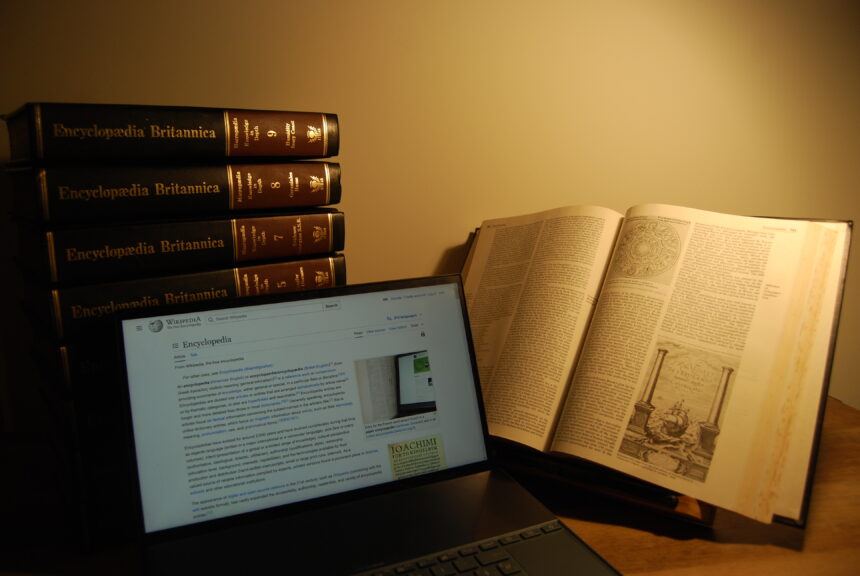
During the 19th and 20th centuries, encyclopedias became household resources. Publications such as Encyclopedia Britannica gained worldwide recognition for their detailed and reliable content.
Types of Encyclopedia Resources
There are several types of encyclopedias designed for different audiences and purposes.
General Encyclopedia
A general Encyclopedia covers a wide variety of subjects, including:
- History
- Science
- Geography
- Literature
- Technology
- Politics
These encyclopedias are ideal for students and general readers.
Specialized Encyclopedia
A specialized Encyclopedia focuses on a particular field or discipline.
Examples include:
- Medical encyclopedias
- Legal encyclopedias
- Science encyclopedias
- Business encyclopedias
- Technology encyclopedias
Online Encyclopedia
Digital encyclopedias have become increasingly popular due to their accessibility and convenience.
Benefits include:
- Instant updates
- Search functionality
- Multimedia content
- Global accessibility
Why Encyclopedias Are Important
An Encyclopedia serves as a trusted source of information and plays a vital role in education and research.
Reliable Information
Most encyclopedias are created and reviewed by experts, ensuring high levels of accuracy and credibility.
Educational Support
Students frequently use encyclopedias for:
- Homework assignments
- Research projects
- Exam preparation
- General learning
Quick Reference
Encyclopedias provide concise yet comprehensive explanations that help readers understand complex subjects efficiently.
Key Features of a Good Encyclopedia
A high-quality Encyclopedia should possess several important characteristics.
Accuracy
Information should be fact-checked and regularly reviewed by subject matter experts.
Comprehensive Coverage
The Encyclopedia should cover a broad range of topics and provide detailed explanations.
Easy Navigation
Alphabetical organization and search features help users find information quickly.
Regular Updates
Knowledge evolves constantly, making updates essential for maintaining accuracy.
The Evolution of Digital Encyclopedias
Technology has transformed how people access information.
From Print to Digital
Traditional printed encyclopedias often consisted of multiple volumes. Today, digital encyclopedias offer millions of articles accessible with a few clicks.
Advantages of Online Encyclopedias
Digital Encyclopedia platforms provide:
- Real-time updates
- Mobile accessibility
- Interactive content
- Multimedia integration
- Faster searches
Accessibility Worldwide
The internet has made encyclopedia content available to people around the globe, regardless of location.
Popular Encyclopedia Platforms
Several encyclopedia resources are widely used today.
Encyclopedia Britannica
One of the most respected and authoritative encyclopedia publishers in the world.
Wikipedia
A collaborative online Encyclopedia that allows contributors to create and edit content.
World Book Encyclopedia
A popular educational reference resource often used in schools and libraries.
Specialized Online Databases
Many industries maintain dedicated encyclopedia databases for professional research and education.
How Students Benefit from Encyclopedia Resources
Students are among the most frequent users of encyclopedias.
Research Assistance
An Encyclopedia provides foundational information that helps students begin research projects.
Better Understanding
Complex concepts are often explained in a simple and accessible manner.
Improved Academic Performance
Reliable information supports stronger assignments and presentations.
Encyclopedia vs. Other Information Sources
Many people wonder how an Encyclopedia differs from other sources.
Encyclopedia vs. Textbooks
Textbooks focus on specific subjects, while encyclopedias cover multiple topics.
Encyclopedia vs. Blogs
Blogs often contain personal opinions, while encyclopedias prioritize factual information.
Encyclopedia vs. Search Engines
Search engines help locate information, but encyclopedias provide structured and verified content.
Tips for Using an Encyclopedia Effectively
To get the most value from an Encyclopedia, consider the following practices.
Verify Information
Use multiple reliable sources when conducting important research.
Explore Related Topics
Many encyclopedia articles link to related subjects, helping expand knowledge.
Use Updated Sources
Always consult the latest edition or version to ensure information is current.
Future of Encyclopedia Resources
The future of the Encyclopedia is closely connected to technological innovation.
Emerging trends include:
- Artificial intelligence integration
- Personalized learning experiences
- Interactive educational tools
- Enhanced multimedia content
- Voice-assisted searches
These advancements will continue making knowledge more accessible and engaging for users worldwide.
Conclusion
The Encyclopedia remains one of the most valuable tools for learning, research, and knowledge sharing. From ancient collections of wisdom to sophisticated digital platforms, encyclopedias have continuously evolved to meet the needs of changing generations.
Whether accessed through printed volumes or online databases, an Encyclopedia provides reliable information that supports education, critical thinking, and lifelong learning. As technology advances, encyclopedias will continue to play a vital role in helping people explore, understand, and engage with the world around them.