

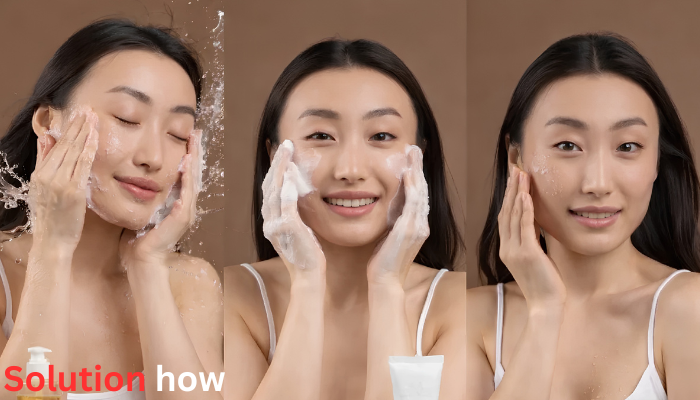
Korean skincare, often called K-beauty, has become popular around the world for its gentle formulas, innovative ingredients, and focus on maintaining healthy-looking skin. Rather than relying only on heavy treatments, Korean skincare generally emphasizes hydration, skin barrier care, consistency, and prevention.
From simple cleansers and moisturizers to ingredients such as snail mucin, centella asiatica, hyaluronic acid, and niacinamide, K-beauty offers products for many different skin types and concerns.
The good news is that you don’t need a complicated 10-step routine to benefit from Korean skincare. A simple, consistent routine can be just as effective.
What Is Korean Skincare?
Korean skincare refers to beauty products and routines developed around Korean skincare practices. The approach traditionally focuses on keeping the skin clean, hydrated, protected, and balanced.
Popular K-beauty products include:
- Cleansing oils and balms
- Water-based cleansers
- Toners
- Essences
- Serums
- Ampoules
- Sheet masks
- Moisturizers
- Sunscreens
The products can be combined according to individual skin needs rather than following every step available.
Why Is Korean Skincare So Popular?
One reason for the popularity of Korean skincare is its focus on long-term skin health. Many K-beauty products are designed to support the skin barrier while providing hydration and targeted care.
Other reasons include:
- Lightweight textures
- Innovative formulations
- Wide range of products
- Hydrating ingredients
- Affordable options
- Attractive packaging
- Products for different skin types
Korean skincare has also become widely accessible through international beauty retailers and online stores.
The Korean Skincare Routine
Oil Cleanser
An oil cleanser can help remove sunscreen, makeup, and oil-based impurities from the skin.
It is particularly useful as the first step of an evening double-cleansing routine.
Water-Based Cleanser
The second cleansing step uses a water-based cleanser to remove remaining impurities.
Choose a gentle cleanser that does not leave your skin feeling excessively dry or tight.
Toner
Korean toners are often designed to provide hydration and prepare the skin for subsequent products.
Depending on the formula, a toner may also contain ingredients aimed at soothing or gently exfoliating the skin.
Essence
Essences are lightweight products traditionally associated with K-beauty. They are usually applied after cleansing and toning to add hydration and support the overall routine.
Serum or Ampoule
Serums and ampoules contain concentrated ingredients designed to address specific concerns.
Common ingredients include:
- Niacinamide
- Hyaluronic acid
- Vitamin C
- Centella asiatica
- Snail mucin
- Peptides
You don’t need multiple serums. Choosing one that matches your primary skin concern can keep your routine simple.
Moisturizer
A moisturizer helps reduce water loss and supports the skin barrier.
People with oily skin may prefer lightweight gel moisturizers, while dry skin often benefits from richer creams.
Sunscreen
Sunscreen is one of the most important steps in any daytime skincare routine.
A broad-spectrum sunscreen helps protect skin from ultraviolet radiation. Apply it as the final skincare step before makeup and reapply according to the product’s directions and your exposure.
Popular Korean Skincare Ingredients
Snail Mucin
Snail mucin is widely used in K-beauty products because of its hydrating and skin-conditioning properties.
Centella Asiatica
Also known as cica, centella asiatica is commonly included in products designed to soothe and support sensitive or irritated-looking skin.
Hyaluronic Acid
Hyaluronic acid is a humectant that helps attract and retain water, making it a popular ingredient in hydrating products.
Niacinamide
Niacinamide, a form of vitamin B3, is commonly used in skincare formulations aimed at supporting the skin barrier and improving the appearance of uneven skin tone.
Green Tea
Green tea extracts are frequently used in Korean skincare because they contain antioxidant compounds and are often included in soothing formulations.
Korean Skincare for Different Skin Types
Dry Skin
Look for hydrating ingredients such as:
- Hyaluronic acid
- Ceramides
- Glycerin
- Squalane
Use a gentle cleanser and a nourishing moisturizer.
Oily Skin
Lightweight, non-comedogenic products can be a good choice. Gel moisturizers and gentle cleansing products may work well for many people with oily skin.
Combination Skin
Combination skin often benefits from balancing hydration without using excessively heavy products.
Sensitive Skin
Keep the routine simple and introduce new products gradually. Fragrance-free or gentle formulations may be preferable for people who are sensitive to certain ingredients.
Do You Need a 10-Step Korean Skincare Routine?
No.
The famous 10-step Korean skincare routine is better understood as a collection of possible skincare steps rather than a requirement that everyone should follow every day.
A basic routine can consist of:
Morning:
Cleanser → Moisturizer → Sunscreen
Evening:
Cleanser → Treatment/Serum → Moisturizer
You can add other products when they serve a specific purpose.
Benefits of Korean Skincare
A well-designed Korean skincare routine may help you:
- Maintain skin hydration
- Support the skin barrier
- Improve overall skin texture
- Protect against sun damage
- Address specific skincare concerns
- Build consistent skincare habits
However, results vary from person to person, and no skincare product can guarantee perfect skin.
Common Mistakes to Avoid
Using Too Many Products
Adding several active ingredients at once can increase the chance of irritation. Start with a simple routine and introduce products gradually.
Skipping Sunscreen
Even an excellent skincare routine cannot replace daily sun protection.
Changing Products Too Quickly
Skincare often requires consistency. Give products reasonable time to work unless they cause irritation or an adverse reaction.
Ignoring Your Skin Type
A product that works well for one person may not work equally well for someone with different skin needs.
Frequently Asked Questions
Is Korean skincare good for beginners?
Yes. Korean skincare can be beginner-friendly because there are products designed for many different skin types and concerns. Starting with a basic routine is usually better than immediately adopting a complicated routine.
What is the most important Korean skincare product?
There isn’t one product that is best for everyone. For daytime skincare, sunscreen is particularly important for protecting the skin from UV exposure.
Is Korean skincare suitable for sensitive skin?
Many Korean skincare brands offer gentle products, but sensitivity varies. Always check the ingredients and consider patch testing new products.
How long does Korean skincare take to work?
Results vary depending on the product and concern. Hydration can sometimes improve quickly, while concerns such as uneven pigmentation or acne may require longer-term care.
Final Thoughts
Korean skincare is popular because it combines thoughtful formulations, hydration-focused products, and a strong emphasis on consistent skin care. Despite the popularity of elaborate routines, you don’t need ten products to create an effective K-beauty regimen.
A simple routine built around gentle cleansing, appropriate treatment, moisturizing, and daily sunscreen can provide a strong foundation. Once you understand your skin type and concerns, you can gradually add Korean skincare products that offer specific benefits.
The best routine isn’t necessarily the longest one—it is the routine you can use consistently and comfortably.