

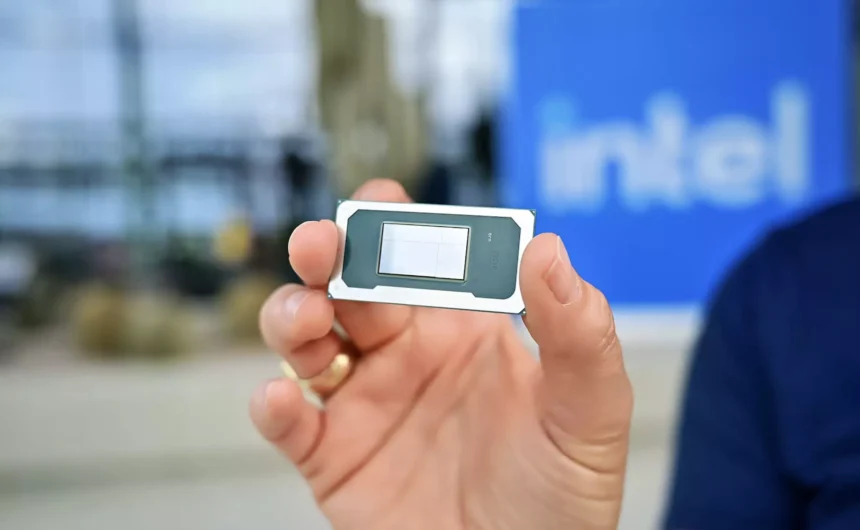
The semiconductor industry is constantly evolving, with manufacturers striving to develop smaller, faster, and more efficient chips. One of the most anticipated advancements in recent years is Intel 18A, Intel’s cutting-edge process technology designed to compete with the world’s leading chip manufacturers.
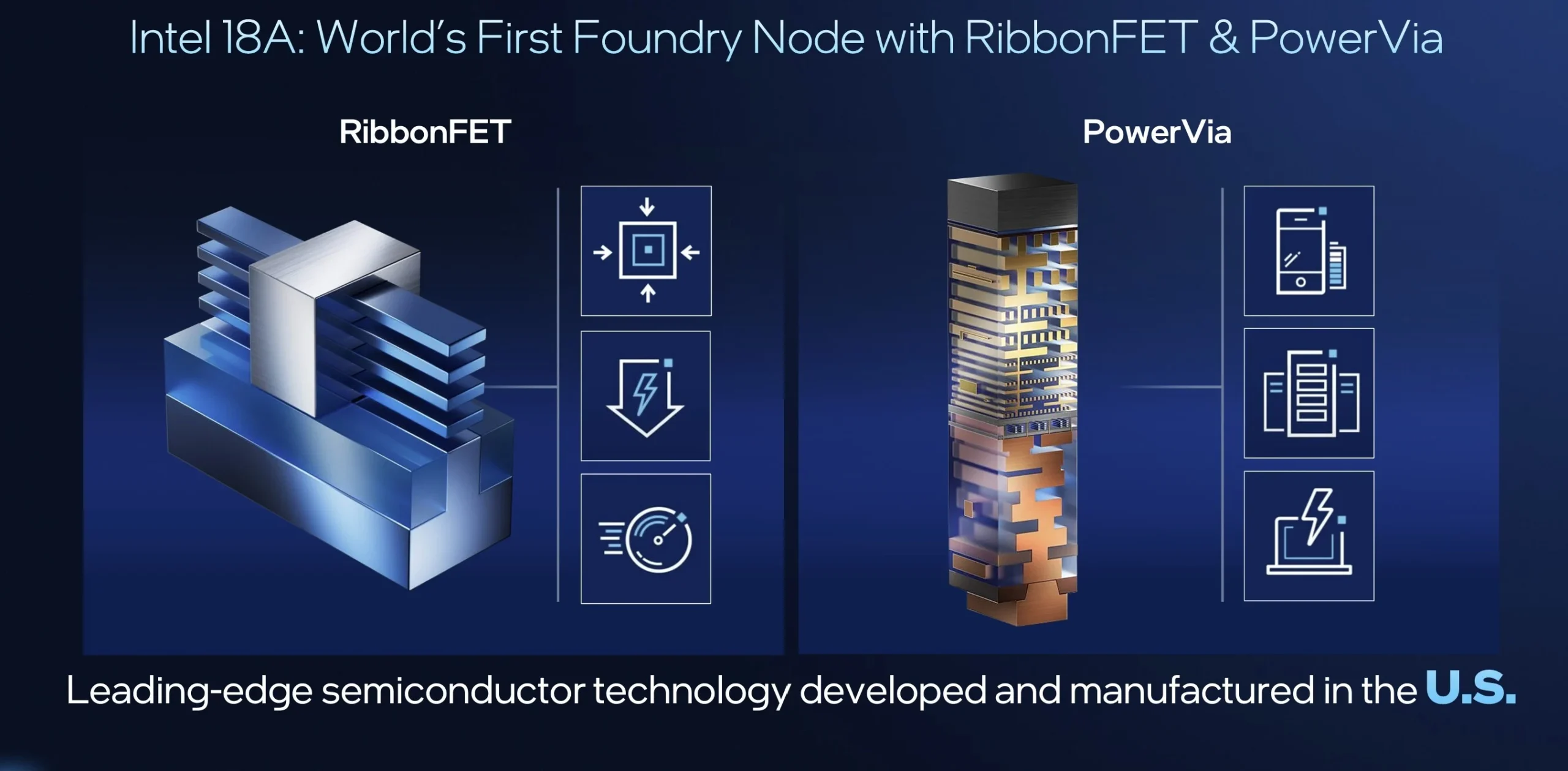
Intel 18A represents a significant milestone in the company’s roadmap toward regaining leadership in semiconductor manufacturing. With innovations such as RibbonFET transistors and PowerVia backside power delivery, Intel 18A aims to deliver improved performance, power efficiency, and transistor density for future computing applications.
In this article, we will explore Intel 18A, its key technologies, advantages, applications, and what it means for the future of the semiconductor industry.
What Is Intel 18A?
Intel 18A is an advanced semiconductor manufacturing node developed by Intel Foundry. The “18A” designation refers to approximately 1.8 nanometer-class technology, representing one of Intel’s most advanced process nodes.
The technology is designed to power future generations of:
- CPUs
- AI accelerators
- Data center processors
- Edge computing devices
- High-performance computing systems
- Consumer electronics
Intel 18A is a major component of Intel’s strategy to accelerate innovation and compete with other leading semiconductor manufacturers.
Key Technologies Behind Intel 18A
Several groundbreaking innovations make Intel 18A one of the most advanced semiconductor processes in development.
RibbonFET Technology
RibbonFET is Intel’s implementation of Gate-All-Around (GAA) transistor architecture.
Traditional FinFET transistors have powered chips for years, but as transistor sizes continue shrinking, new architectures become necessary.
Benefits of RibbonFET
- Improved transistor control
- Higher performance
- Reduced power consumption
- Better scalability
- Enhanced efficiency
RibbonFET enables Intel 18A to achieve greater performance while maintaining energy efficiency, making it ideal for modern computing workloads.
PowerVia Backside Power Delivery
Another revolutionary feature of Intel 18A is PowerVia.
PowerVia moves power delivery to the backside of the silicon wafer, separating power and signal routing.
Advantages of PowerVia
- Improved power efficiency
- Reduced signal interference
- Better transistor density
- Enhanced performance
- Lower voltage drop
This innovation allows Intel to maximize chip performance while minimizing energy losses.
Why Intel 18A Matters
The launch of Intel 18A is significant because it marks a major technological leap for Intel and the broader semiconductor industry.
Improved Performance
Intel 18A is expected to deliver substantial performance gains compared to previous process technologies.
Benefits include:
- Faster processing speeds
- Improved responsiveness
- Better multitasking capabilities
- Enhanced AI processing
These improvements will benefit both consumers and enterprise users.
Better Power Efficiency
Modern devices require high performance without excessive energy consumption.
Intel 18A addresses this challenge through:
- Advanced transistor design
- Optimized power delivery
- Reduced leakage currents
- Efficient chip architecture
This makes it particularly attractive for laptops, servers, and AI systems.
Increased Transistor Density
Smaller process nodes allow manufacturers to place more transistors within the same chip area.
Higher transistor density results in:
- Greater computational power
- Better efficiency
- Enhanced functionality
- Improved scalability
Intel 18A is expected to push transistor density to new levels.
Intel 18A and Artificial Intelligence
Artificial intelligence is one of the biggest drivers of semiconductor innovation today.
Supporting AI Workloads
AI applications require massive computational resources for:
- Machine learning
- Deep learning
- Data analytics
- Natural language processing
- Computer vision
Intel 18A is designed to meet these demands by offering improved performance and energy efficiency.
Data Center Applications
Data centers are increasingly adopting AI-powered services.
Intel 18A can help data center operators achieve:
- Faster AI training
- Improved inference performance
- Lower operating costs
- Better energy efficiency
This could make Intel 18A a key technology for future AI infrastructure.
Intel Foundry and Intel 18A
Intel has expanded its manufacturing strategy through Intel Foundry Services (IFS).
Foundry Customers
Intel 18A is not only intended for Intel products but also for external customers looking to manufacture advanced chips.
Potential customers include:
- Technology companies
- AI startups
- Automotive manufacturers
- Telecommunications providers
- Cloud computing firms
This broader foundry strategy strengthens Intel’s position in the global semiconductor market.
Applications of Intel 18A
The versatility of Intel 18A allows it to support numerous industries and technologies.
Consumer Electronics
Future laptops, desktops, and mobile devices can benefit from:
- Longer battery life
- Better performance
- Faster processing speeds
Automotive Industry
Modern vehicles increasingly rely on advanced semiconductor technology.
Intel 18A could support:
- Autonomous driving systems
- Vehicle AI platforms
- Advanced safety features
- Connected vehicle technologies
High-Performance Computing
Scientific research and enterprise computing require powerful processors.
Intel 18A can help deliver:
- Faster simulations
- Improved data analysis
- Enhanced computational capabilities
Challenges Facing Intel 18A
Despite its promise, Intel 18A faces several challenges.
Manufacturing Complexity
Advanced semiconductor nodes require:
- Sophisticated fabrication equipment
- Significant research investment
- High production precision
Successfully scaling production remains a critical objective.
Market Competition
Intel competes with major semiconductor manufacturers that are also advancing their process technologies.
Maintaining competitiveness will require:
- Timely production
- Reliable manufacturing
- Strong customer adoption
The Future of Intel 18A
The future of Intel 18A looks promising as demand for AI, cloud computing, and advanced processors continues to grow.
With innovations such as RibbonFET and PowerVia, Intel 18A has the potential to reshape semiconductor manufacturing and establish new industry benchmarks for performance and efficiency.
As the technology matures, it could become a foundation for next-generation computing platforms across multiple industries.