
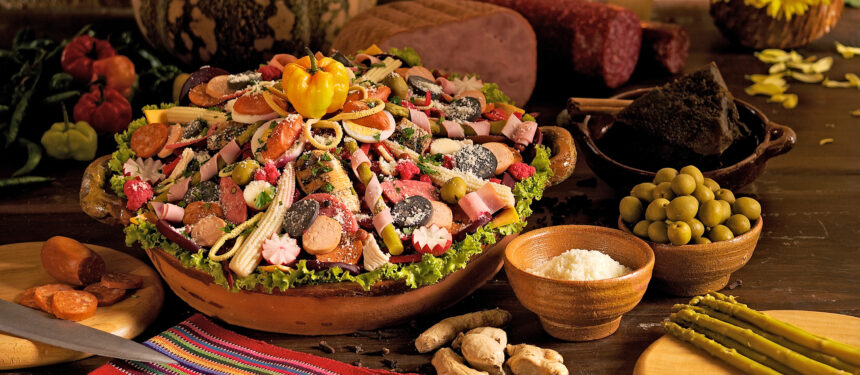
Fiambre is one of Guatemala’s most celebrated and culturally significant dishes. Known for its colorful presentation and impressive variety of ingredients, fiambre is traditionally prepared and enjoyed during Día de Todos los Santos (All Saints’ Day) on November 1st. This unique cold salad combines vegetables, meats, cheeses, pickled ingredients, and garnishes, creating a culinary masterpiece that reflects Guatemala’s rich cultural heritage.
- What Is Fiambre?
- The History of Fiambre
- Why Fiambre Is So Important in Guatemala
- Main Ingredients in Fiambre
- Types of Fiambre
- Fiambre Rojo (Red Fiambre)
- Fiambre Blanco (White Fiambre)
- Fiambre Verde (Green Fiambre)
- Family-Specific Recipes
- How Fiambre Is Prepared
- Prepare the Vegetables
- Cook and Slice Meats
- Make the Dressing
- Combine Ingredients
- Refrigerate
- Garnish and Serve
- The Unique Flavor of Fiambre
- Nutritional Benefits of Fiambre
- Fiambre and Guatemalan Culture
- Tips for Making Authentic Fiambre
- Start Early
- Use Fresh Ingredients
- Allow Time for Marination
- Respect Family Traditions
- Balance the Ingredients
- Frequently Asked Questions
- What Is Fiambre?
- Why Is Fiambre Eaten on November 1st?
- How Many Ingredients Are in Fiambre?
- Is Fiambre Served Hot or Cold?
- Conclusion
For many Guatemalan families, preparing fiambre is more than just cooking—it is a cherished tradition that brings generations together. The dish symbolizes family unity, remembrance, and the blending of diverse culinary influences that have shaped Guatemalan cuisine over the centuries.
What Is Fiambre?
Fiambre is a traditional Guatemalan cold salad made from a large assortment of ingredients that may include:
- Cured meats
- Sausages
- Chicken
- Vegetables
- Pickled items
- Cheeses
- Eggs
- Herbs
- Seafood in some variations
Unlike typical salads, fiambre can contain more than 50 ingredients, making it one of the most complex and elaborate dishes in Latin American cuisine.
The dish is usually served chilled and prepared several days in advance to allow the flavors to blend together.
The History of Fiambre
The origins of fiambre date back hundreds of years and are deeply rooted in Guatemalan history and religious traditions.
A Dish of Remembrance
According to popular tradition, families would visit cemeteries on All Saints’ Day to honor deceased loved ones. Each family brought different foods to share, and over time these foods were combined into a single communal meal.
This tradition eventually evolved into what is now known as fiambre.
Cultural Influences
Fiambre reflects the diverse influences that shaped Guatemala’s culinary identity, including:
- Indigenous Maya traditions
- Spanish colonial cuisine
- European ingredients
- Local agricultural products
The result is a dish that represents centuries of cultural exchange and culinary innovation.
Why Fiambre Is So Important in Guatemala
The significance of fiambre goes beyond its flavor.
Family Tradition
Many families pass down their fiambre recipes through multiple generations.
Cultural Heritage
The dish serves as a symbol of Guatemalan identity and pride.
Community Celebration
Preparing fiambre often involves extended family members working together.
Honoring Ancestors
The dish is closely associated with remembering loved ones who have passed away.
Because of these traditions, fiambre remains one of Guatemala’s most treasured culinary customs.
Main Ingredients in Fiambre
The exact ingredients used in fiambre vary by family and region, but some common components include:
Vegetables
- Green beans
- Carrots
- Peas
- Cauliflower
- Cabbage
- Beets
Meats
- Ham
- Salami
- Chorizo
- Sausages
- Chicken
- Pork
Cheeses
- Fresh cheese
- Hard cheeses
- Regional varieties
Pickled Ingredients
- Onions
- Jalapeños
- Olives
- Capers
Garnishes
- Hard-boiled eggs
- Parsley
- Radishes
- Bell peppers
Each ingredient contributes to the dish’s distinctive flavor and appearance.
Types of Fiambre
There are several popular variations of fiambre, each with unique characteristics.
Fiambre Rojo (Red Fiambre)
This version includes beets, which give the dish its signature reddish-pink color.
It is one of the most popular forms of fiambre throughout Guatemala.
Fiambre Blanco (White Fiambre)
Fiambre blanco does not contain beets and has a lighter appearance.
Many families prefer this version for its more delicate flavor profile.
Fiambre Verde (Green Fiambre)
A less common variation featuring a larger proportion of green vegetables and herbs.
Family-Specific Recipes
Many households have their own unique fiambre recipes that include special ingredients and preparation methods passed down through generations.
How Fiambre Is Prepared
Making fiambre is a labor-intensive process that often takes several days.
Prepare the Vegetables
Vegetables are cleaned, cooked, and cooled.
Cook and Slice Meats
Various meats are prepared and cut into bite-sized pieces.
Make the Dressing
A flavorful dressing is created using vinegar, seasonings, and pickling liquids.
Combine Ingredients
All components are carefully mixed together.
Refrigerate
The dish is chilled for several hours or overnight to enhance flavor.
Garnish and Serve
Decorative toppings are added before serving.
The Unique Flavor of Fiambre
One reason fiambre stands out is its complex flavor profile.
Savory Notes
The combination of meats and cheeses creates rich savory flavors.
Tangy Elements
Pickled vegetables and vinegar-based dressing add brightness and acidity.
Fresh Ingredients
Herbs and vegetables contribute freshness and texture.
Balanced Complexity
The wide variety of ingredients creates layers of flavor in every bite.
Nutritional Benefits of Fiambre
Despite its festive nature, fiambre contains many nutritious ingredients.
Rich in Protein
Meats, cheeses, and eggs provide high-quality protein.
Loaded with Vegetables
The dish includes numerous vegetables rich in vitamins and minerals.
Diverse Nutrient Profile
The variety of ingredients contributes a broad range of nutrients.
High Satiety
The combination of protein and fiber helps promote fullness.
Fiambre and Guatemalan Culture
Few dishes are as deeply connected to national identity as fiambre.
A Symbol of Unity
Families often gather together to prepare the dish.
Preserving Traditions
Recipes are carefully preserved across generations.
Celebrating Heritage
Fiambre reflects Guatemala’s multicultural history.
Sharing With Loved Ones
The dish encourages togetherness and communal celebration.
Tips for Making Authentic Fiambre
If you want to prepare authentic fiambre, consider these tips:
Start Early
Many ingredients require separate preparation.
Use Fresh Ingredients
Fresh vegetables improve flavor and texture.
Allow Time for Marination
The flavors improve significantly after chilling.
Respect Family Traditions
Many cooks adapt recipes to honor family customs.
Balance the Ingredients
Avoid allowing any single flavor to dominate the dish.
Frequently Asked Questions
What Is Fiambre?
Fiambre is a traditional Guatemalan cold salad made with meats, vegetables, cheeses, and pickled ingredients, typically served during All Saints’ Day celebrations.
Why Is Fiambre Eaten on November 1st?
The dish is associated with Día de Todos los Santos, a holiday dedicated to honoring deceased loved ones.
How Many Ingredients Are in Fiambre?
Some recipes contain more than 50 ingredients, depending on family traditions.
Is Fiambre Served Hot or Cold?
Fiambre is traditionally served cold after being refrigerated to allow the flavors to blend.
Conclusion
Fiambre is much more than a meal—it’s a symbol of family, tradition, and cultural heritage in Guatemala. With its remarkable variety of ingredients, vibrant presentation, and deep historical roots, fiambre remains one of the country’s most beloved culinary treasures.
Whether you’re exploring Guatemalan cuisine for the first time or seeking to understand the traditions behind this famous dish, fiambre offers a fascinating glimpse into the rich culture and history of Guatemala. Its unique blend of flavors and meaningful traditions ensures that it will continue to be celebrated for generations to come.