

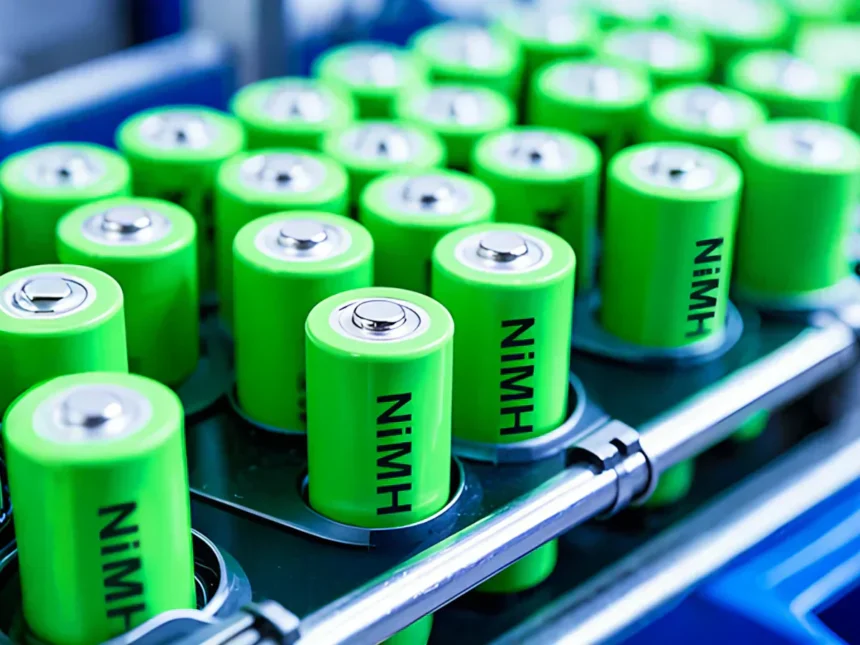
What Is a NiMH Battery? Everything You Need to Know
Introduction
A NiMH battery (Nickel-Metal Hydride battery) is a rechargeable battery technology widely used in household electronics, cordless devices, hybrid vehicles, and medical equipment. Known for its reliability, affordability, and environmentally friendly design compared to older battery technologies, the NiMH battery remains a popular choice for consumers and industries alike. In this guide, you’ll learn what a NiMH battery is, how it works, its advantages and disadvantages, common uses, and how to maximize its lifespan.
- Introduction
- What Is a NiMH Battery?
- How Does a NiMH Battery Work?
- Advantages of NiMH Batteries
- Disadvantages of NiMH Batteries
- Common Uses of NiMH Batteries
- NiMH Battery vs. Lithium-Ion Battery
- How to Charge and Maintain a NiMH Battery
- How Long Does a NiMH Battery Last?
- Frequently Asked Questions
- What does NiMH stand for?
- Are NiMH batteries rechargeable?
- What devices use NiMH batteries?
- Are NiMH batteries better than NiCd batteries?
- Can I replace alkaline batteries with NiMH batteries?
- Conclusion
What Is a NiMH Battery?
A Nickel-Metal Hydride (NiMH) battery is a rechargeable battery that stores electrical energy through a chemical reaction between nickel oxide hydroxide and a hydrogen-absorbing metal alloy. It was developed as an improvement over Nickel-Cadmium (NiCd) batteries, offering higher capacity while eliminating the use of toxic cadmium.
Today, NiMH batteries are commonly found in rechargeable AA and AAA batteries as well as larger battery packs used in hybrid electric vehicles and industrial equipment.
How Does a NiMH Battery Work?
A NiMH battery stores energy through reversible chemical reactions. During charging, electrical energy is converted into chemical energy. When powering a device, the stored chemical energy is converted back into electricity.
Each NiMH cell typically provides 1.2 volts, and multiple cells can be connected together to create battery packs with higher voltages.
Advantages of NiMH Batteries
NiMH batteries offer several benefits that make them suitable for everyday use:
- Rechargeable hundreds of times, reducing waste.
- Higher capacity than traditional NiCd batteries.
- Free from toxic cadmium.
- Suitable for high-drain devices.
- Cost-effective over the long term.
- Available in common household battery sizes.
Disadvantages of NiMH Batteries
Despite their advantages, NiMH batteries also have some limitations:
- They lose charge more quickly when stored than many lithium-ion batteries.
- Performance can decline in extreme temperatures.
- They are heavier than comparable lithium-ion batteries.
- Charging takes longer than some newer battery technologies.
Common Uses of NiMH Batteries
NiMH batteries are used in a wide range of products, including:
- Digital cameras
- Wireless computer accessories
- Remote controls
- Flashlights
- Children’s toys
- Cordless telephones
- Medical devices
- Hybrid electric vehicles
- Portable electronics
NiMH Battery vs. Lithium-Ion Battery
Both battery types are rechargeable, but they have important differences.
NiMH Batteries
- Lower cost
- Standard AA and AAA sizes are widely available
- Good for household electronics
- Less energy-dense than lithium-ion
Lithium-Ion Batteries
- Higher energy density
- Lighter weight
- Longer runtime in many devices
- Commonly used in smartphones, laptops, and electric vehicles
How to Charge and Maintain a NiMH Battery
Proper care can significantly extend the life of a NiMH battery:
- Use a charger designed for NiMH batteries.
- Avoid excessive heat while charging.
- Store batteries in a cool, dry place.
- Recharge before they become deeply discharged when possible.
- Remove batteries from devices that will not be used for extended periods.
How Long Does a NiMH Battery Last?
Most NiMH batteries can withstand 300 to 1,000 charge cycles, depending on the battery quality, charging habits, and operating conditions. With proper care, they can provide reliable performance for several years.
Frequently Asked Questions
What does NiMH stand for?
NiMH stands for Nickel-Metal Hydride.
Are NiMH batteries rechargeable?
Yes. NiMH batteries are designed to be recharged hundreds of times.
What devices use NiMH batteries?
They are commonly used in cameras, toys, flashlights, remote controls, cordless phones, and hybrid vehicles.
Are NiMH batteries better than NiCd batteries?
In many cases, yes. NiMH batteries generally offer higher capacity and do not contain toxic cadmium.
Can I replace alkaline batteries with NiMH batteries?
In many devices, rechargeable NiMH AA or AAA batteries can replace alkaline batteries. However, because NiMH batteries provide 1.2 volts per cell instead of 1.5 volts, it’s a good idea to check your device’s recommendations for compatibility.
Conclusion
NiMH batteries remain a dependable and cost-effective rechargeable power source for many household and professional applications. They offer good capacity, long-term value, and a more environmentally friendly alternative to older rechargeable battery technologies. Whether you need reliable batteries for everyday electronics or specialized equipment, NiMH batteries continue to be a practical choice thanks to their balance of performance, affordability, and reusability.