

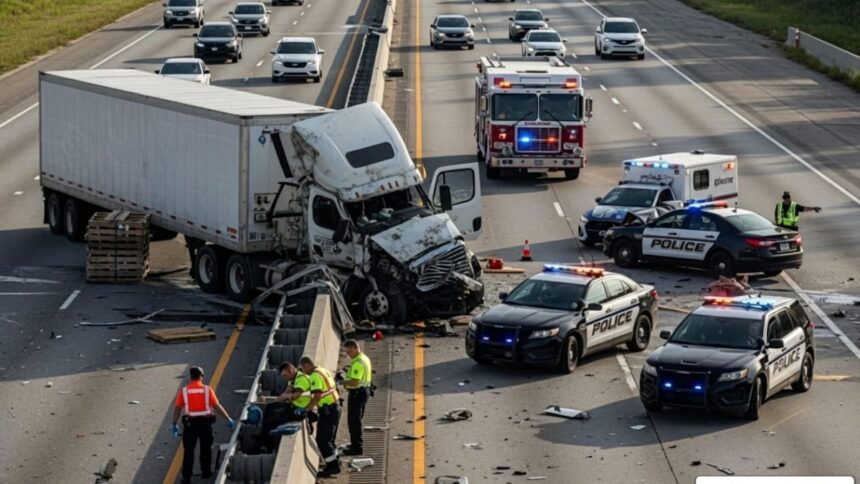
Highway congestion truck accidents are a growing concern on busy roads across the world. As traffic volumes continue to increase, highways often become crowded with passenger vehicles, commercial trucks, buses, and other large vehicles. When congestion develops, the risk of truck accidents rises significantly due to reduced reaction times, limited maneuverability, and sudden traffic slowdowns.
Truck accidents occurring in congested highway conditions can lead to severe injuries, extensive property damage, and even fatalities. Understanding the causes of highway congestion truck accidents can help drivers, trucking companies, and policymakers implement effective safety measures to reduce these incidents.
In this comprehensive guide, we will explore the primary causes of highway congestion truck accidents, their consequences, prevention strategies, and the legal considerations victims should be aware of following a collision.
Understanding Highway Congestion Truck Accidents
Highway congestion truck accidents occur when commercial trucks are involved in crashes during periods of heavy traffic. Congested highways create unique challenges because large trucks require more time and distance to stop compared to passenger vehicles.
Traffic congestion can result from:
- Rush-hour traffic
- Road construction
- Vehicle breakdowns
- Severe weather conditions
- Traffic incidents
- High population density areas
When trucks operate in these environments, the potential for accidents increases substantially.
Common Causes of Highway Congestion Truck Accidents
Several factors contribute to highway congestion truck accidents. Understanding these causes can help improve road safety for everyone.
Driver Fatigue
Truck drivers often spend long hours on the road. Although regulations limit driving hours, fatigue remains a major factor in many truck accidents.
Fatigued drivers may experience:
- Slower reaction times
- Reduced concentration
- Impaired decision-making
- Increased likelihood of errors
When traffic suddenly slows in congested conditions, fatigued drivers may struggle to react quickly enough to avoid collisions.
Following Too Closely
Tailgating is one of the most common causes of highway congestion truck accidents.
Large trucks require significantly longer stopping distances than passenger vehicles. In congested traffic, following too closely can lead to rear-end collisions when vehicles ahead brake unexpectedly.
Distracted Driving
Distractions behind the wheel continue to be a serious safety concern.
Examples include:
- Mobile phone use
- GPS adjustments
- Eating while driving
- In-cab communication systems
Even a few seconds of distraction can result in a devastating truck accident during heavy traffic conditions.
Speeding in Congested Areas
Some drivers fail to adjust their speed to match traffic conditions.
Excessive speed reduces a truck driver’s ability to stop safely and increases collision severity when accidents occur.
Improper Lane Changes
Highway congestion often forces drivers to merge frequently.
Because commercial trucks have large blind spots, unsafe lane changes can result in sideswipe accidents and multi-vehicle collisions.
Why Congested Highways Increase Truck Accident Risks
Traffic congestion creates several conditions that make truck accidents more likely.
Reduced Stopping Distance
Heavy traffic leaves little room between vehicles.
Since trucks require more stopping distance, sudden traffic slowdowns can create dangerous situations.
Frequent Stop-and-Go Traffic
Congested highways often involve constant acceleration and braking.
This environment increases driver stress and reduces reaction time.
Limited Escape Routes
When highways are packed with vehicles, truck drivers have fewer options to avoid collisions.
Limited maneuverability can make emergency responses difficult.
Increased Driver Frustration
Traffic congestion can lead to aggressive driving behaviors, including:
- Sudden lane changes
- Tailgating
- Unsafe passing attempts
These actions significantly increase accident risks.
Types of Highway Congestion Truck Accidents
Several types of accidents commonly occur during congested highway conditions.
Rear-End Collisions
Rear-end crashes are among the most frequent truck accidents in heavy traffic.
A truck’s weight and momentum make these collisions particularly dangerous.
Multi-Vehicle Pileups
Traffic congestion can trigger chain-reaction crashes involving multiple vehicles.
These accidents often result in severe injuries and extensive property damage.
Jackknife Accidents
A jackknife accident occurs when a truck’s trailer swings outward, forming an angle with the cab.
Congested traffic and sudden braking can contribute to these dangerous incidents.
Side-Impact Collisions
Improper lane changes and blind spot issues frequently cause side-impact crashes involving trucks.
Injuries Commonly Associated with Truck Accidents
Victims of highway congestion truck accidents may suffer serious injuries due to the size and weight of commercial vehicles.
Common injuries include:
- Traumatic brain injuries (TBIs)
- Spinal cord injuries
- Neck and back injuries
- Broken bones
- Internal organ damage
- Severe lacerations
- Psychological trauma
Medical treatment and rehabilitation costs can be substantial following a truck accident.
How to Prevent Highway Congestion Truck Accidents
Reducing truck accident risks requires cooperation from drivers, trucking companies, and government agencies.
Maintain Safe Following Distances
Truck drivers should leave sufficient space between vehicles to allow for safe stopping.
Follow Hours-of-Service Regulations
Adhering to federal driving-hour limits can reduce fatigue-related accidents.
Avoid Distracted Driving
Drivers should remain fully focused on the road and eliminate unnecessary distractions.
Conduct Regular Vehicle Maintenance
Proper maintenance helps ensure:
- Effective braking systems
- Tire safety
- Steering reliability
- Overall vehicle performance
Use Advanced Safety Technologies
Modern trucks often include:
- Automatic emergency braking
- Collision warning systems
- Lane departure alerts
- Blind spot monitoring
These technologies can help prevent accidents in congested traffic.
Legal Considerations After Highway Congestion Truck Accidents
Victims of truck accidents may have legal options available depending on the circumstances of the crash.
Potentially liable parties may include:
- Truck drivers
- Trucking companies
- Vehicle manufacturers
- Maintenance providers
- Cargo loading companies
Evidence commonly used in truck accident cases includes:
- Driver logs
- Black box data
- Surveillance footage
- Witness statements
- Police reports
External Link: [Add Official FMCSA Safety Resource Link Here]
Consulting an experienced truck accident attorney can help victims understand their rights and potential compensation options.
Additional Resources
For more information about road safety and accident prevention:
These resources provide valuable information for drivers and accident victims alike.
Conclusion
Highway congestion truck accidents remain a serious public safety issue due to increasing traffic volumes and the unique challenges associated with operating large commercial vehicles in crowded conditions. Factors such as driver fatigue, distracted driving, speeding, and inadequate following distances often contribute to these accidents.
By understanding the causes of highway congestion truck accidents and implementing effective prevention measures, drivers and trucking companies can significantly reduce accident risks. Safe driving practices, proper vehicle maintenance, and advanced safety technologies all play an important role in protecting lives on busy highways.
For accident victims, understanding legal rights and seeking professional guidance can be essential when pursuing compensation for injuries and damages. As highway congestion continues to affect transportation systems worldwide, prioritizing safety remains critical for preventing future truck accidents and ensuring safer roads for everyone.