

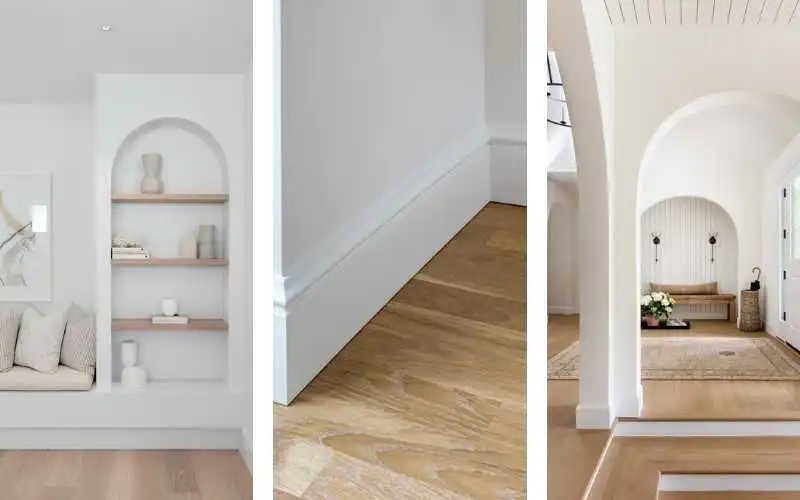
Interior design trends continue to evolve toward simplicity, minimalism, and clean architectural lines. One design feature that has gained significant popularity among architects, builders, and homeowners is the flush baseboard. Unlike traditional baseboards that protrude from the wall, a flush baseboard sits level with the wall surface, creating a sleek and seamless appearance.
Whether you’re building a new home, renovating a modern space, or seeking a minimalist aesthetic, a flush baseboard can dramatically enhance the overall look of your interiors. In this guide, we’ll explore what flush baseboards are, their advantages, installation process, design applications, costs, and why they have become a preferred choice in contemporary architecture.
What Is a Flush Baseboard?
A flush baseboard is a type of baseboard system installed so that it aligns perfectly with the wall surface rather than extending outward. Traditional baseboards create a visible edge and projection, while flush baseboards remain integrated into the wall, resulting in a smooth and uninterrupted appearance.
This design is particularly popular in:
- Modern homes
- Luxury residences
- Commercial spaces
- Contemporary offices
- Minimalist interiors
The goal is to eliminate visual clutter and create a clean architectural finish.
How Flush Baseboards Differ from Traditional Baseboards
Traditional baseboards are attached to the surface of the wall and usually extend outward. In contrast, a flush baseboard is recessed into the wall structure.
Traditional Baseboards
- Visible projection from the wall
- Decorative profiles and molding
- Easier installation
- Common in classic and traditional homes
Flush Baseboards
- Completely level with the wall
- Sleek and minimalist appearance
- Modern architectural aesthetic
- Requires more precise installation
The visual difference may seem subtle, but it significantly impacts the overall design of a room.
Benefits of Installing a Flush Baseboard
Homeowners and designers choose a flush baseboard for several compelling reasons.
Creates a Seamless Look
One of the biggest advantages is the clean transition between walls and floors. The flush design eliminates protruding trim and creates a more refined appearance.
Enhances Modern Interior Design
Modern architecture emphasizes simplicity and straight lines. Flush baseboards complement:
- Minimalist decor
- Contemporary homes
- Open-concept spaces
- Luxury interiors
Improves Furniture Placement
Because flush baseboards do not protrude, furniture can sit directly against the wall without gaps.
This is especially useful for:
- Cabinets
- Shelving units
- Desks
- Built-in furniture
Easy Maintenance
The smooth wall surface makes cleaning easier because there are fewer ledges to collect dust and debris.
Increases Visual Space
Flush baseboards contribute to a more spacious feeling by maintaining uninterrupted wall lines throughout the room.
Types of Flush Baseboard Systems
There are several flush baseboard options available depending on your design goals and budget.
Aluminum Flush Baseboards
Aluminum systems are highly popular due to their durability and modern appearance.
Benefits include:
- Corrosion resistance
- Long lifespan
- Contemporary aesthetic
- Low maintenance
Painted Flush Baseboards
These baseboards blend directly into the wall color, making them nearly invisible.
They work well in:
- Minimalist homes
- Modern apartments
- Luxury residential projects
LED Flush Baseboards
Some innovative systems include integrated LED lighting.
Advantages include:
- Ambient lighting
- Enhanced safety
- Unique visual effects
- Premium design appeal
Flush Baseboard Installation Process
Installing a flush baseboard requires careful planning because it is integrated into the wall structure.
Wall Preparation
The wall framing must be designed to accommodate the recessed profile. This often occurs during new construction or major renovations.
Installation of Baseboard Channel
A specialized aluminum or metal channel is installed inside the wall.
Drywall Integration
Drywall is carefully aligned with the baseboard system to create a perfectly flush surface.
Finishing and Painting
The final stage includes:
- Joint finishing
- Surface smoothing
- Priming
- Painting
Professional installation is generally recommended to achieve the best results.
Ideal Applications for Flush Baseboards
A flush baseboard can be used in various settings.
Residential Homes
Modern homeowners often choose flush baseboards for:
- Living rooms
- Bedrooms
- Kitchens
- Hallways
Commercial Spaces
Businesses use flush baseboards to create a sophisticated and professional environment.
Common applications include:
- Offices
- Retail stores
- Showrooms
- Hotels
Luxury Properties
High-end residential developments frequently feature flush baseboards because they complement premium architectural designs.
Potential Drawbacks of Flush Baseboards
While a flush baseboard offers many benefits, there are some considerations.
Higher Installation Costs
Compared to traditional baseboards, flush systems typically require:
- Specialized materials
- Additional labor
- Precise construction techniques
Best for New Construction
Retrofitting flush baseboards into existing walls can be more complex and expensive than standard installations.
Professional Expertise Required
Achieving a perfectly flush finish requires experienced installers and contractors.
Cost of Flush Baseboard Installation
The cost of a flush baseboard varies depending on:
- Material selection
- Room size
- Labor rates
- Project complexity
Generally, flush baseboards cost more than traditional trim because of the specialized installation process.
However, many homeowners consider the investment worthwhile due to the premium appearance and long-term design value.
Design Tips for Using Flush Baseboards
To maximize the impact of your flush baseboard installation:
Use Neutral Colors
White, gray, and soft neutral tones help emphasize clean architectural lines.
Pair with Minimalist Decor
Simple furnishings enhance the sleek appearance of flush baseboards.
Consider Hidden Doors
Flush doors and flush baseboards create a cohesive modern aesthetic throughout the home.
Add Integrated Lighting
LED-enhanced flush baseboards can elevate both functionality and visual appeal.
Why Flush Baseboards Are Growing in Popularity
As modern design trends continue to prioritize simplicity and functionality, the flush baseboard has become a sought-after architectural detail. Designers appreciate its ability to create smooth transitions, improve visual flow, and contribute to a sophisticated interior environment.
Its popularity is particularly strong among homeowners seeking luxury finishes without excessive ornamentation.
Conclusion
A flush baseboard is more than just a trim detail—it is a design feature that helps define modern interiors. With its clean lines, seamless appearance, and ability to enhance minimalist architecture, it has become a preferred choice for contemporary homes and commercial spaces.
Although installation may require a higher investment and professional expertise, the resulting aesthetic is often well worth the effort. Whether you’re planning a new construction project or a high-end renovation, incorporating a flush baseboard can add elegance, functionality, and lasting value to your space.