
Tamales de Guatemala are among the most iconic and cherished dishes in Guatemalan cuisine. Known for their rich flavors, unique preparation methods, and deep cultural significance, these traditional tamales play an important role in family celebrations, holidays, and special occasions throughout the country.
- What Are Tamales de Guatemala?
- The History of Tamales de Guatemala
- Why Tamales de Guatemala Are Special
- Traditional Ingredients in Tamales de Guatemala
- Types of Tamales de Guatemala
- How Tamales de Guatemala Are Made
- Prepare the Banana Leaves
- Make the Masa
- Cook the Sauce
- Prepare the Fillings
- Assemble the Tamales
- Wrap and Tie
- Steam
- Cultural Importance of Tamales de Guatemala
- Nutritional Benefits of Tamales de Guatemala
- Tips for Making Authentic Tamales de Guatemala
- Use Banana Leaves
- Prepare in Advance
- Don’t Rush the Steaming Process
- Follow Family Traditions
- Use Quality Ingredients
- Frequently Asked Questions
- What Are Tamales de Guatemala?
- Why Are Banana Leaves Used?
- What Is the Difference Between Tamal Rojo and Tamal Negro?
- When Are Tamales de Guatemala Traditionally Eaten?
- Conclusion
Unlike the tamales commonly found in other parts of Latin America, tamales de Guatemala have distinctive characteristics that reflect the country’s indigenous heritage and Spanish influences. Wrapped in banana leaves and filled with flavorful ingredients, they offer a delicious taste of Guatemala’s culinary traditions.
In this guide, we’ll explore the history, ingredients, types, preparation methods, and cultural importance of tamales de Guatemala.
What Are Tamales de Guatemala?
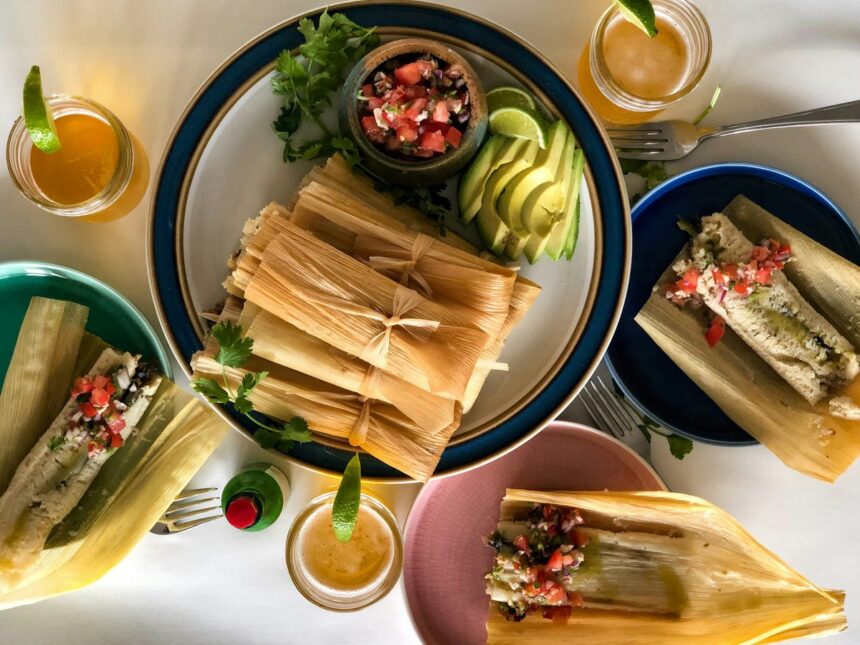
Tamales de Guatemala are traditional corn-based dishes made from masa (corn dough) and filled with a variety of meats, sauces, vegetables, and seasonings. The tamales are wrapped in banana leaves rather than corn husks, which gives them a unique flavor and texture.
These tamales are typically steamed for several hours until the masa becomes tender and absorbs the rich flavors of the fillings.
Key characteristics include:
- Soft and moist texture
- Rich tomato-based sauces
- Banana leaf wrapping
- Traditional seasonings
- Variety of fillings
They are considered a staple of Guatemalan cuisine and are enjoyed year-round, especially during holidays and family gatherings.
The History of Tamales de Guatemala
The origins of tamales de Guatemala date back thousands of years to the ancient Maya civilization.
Ancient Maya Roots
Corn was a sacred crop for the Maya people and served as the foundation of their diet. Early forms of tamales were prepared using ground corn mixed with local ingredients and wrapped in leaves for cooking.
Spanish Influence
Following Spanish colonization, new ingredients such as pork, olives, capers, and spices were introduced, leading to the evolution of modern Guatemalan tamales.
Preserving Tradition
Today, tamales continue to represent a connection between Guatemala’s indigenous past and its modern cultural identity.
Why Tamales de Guatemala Are Special
Several features distinguish tamales de Guatemala from other tamale varieties.
Banana Leaf Wrapping
Most Guatemalan tamales are wrapped in banana leaves, which add aroma and help retain moisture during cooking.
Rich Sauces
The fillings often include flavorful sauces made from tomatoes, peppers, and spices.
Holiday Tradition
Tamales are a central part of Christmas celebrations and other important events.
Family Recipes
Many families pass down tamale recipes through multiple generations.
Traditional Ingredients in Tamales de Guatemala
The ingredients used in tamales de Guatemala can vary by region and family tradition.
Masa (Corn Dough)
The foundation of every tamale is masa, typically made from:
- Corn flour
- Water or broth
- Seasonings
Meat Fillings
Popular options include:
- Chicken
- Pork
- Turkey
- Beef
Sauce Ingredients
Traditional sauces often contain:
- Tomatoes
- Bell peppers
- Chili peppers
- Garlic
- Onions
- Spices
Additional Fillings
Some tamales may include:
- Olives
- Raisins
- Capers
- Potatoes
- Green peas
These ingredients contribute to the complex flavors that make Guatemalan tamales unique.
Types of Tamales de Guatemala
There are several popular varieties of tamales de Guatemala, each with its own distinct characteristics.
Tamal Rojo (Red Tamale)
One of the most common varieties, featuring a rich red tomato-based sauce and meat filling.
Tamal Negro (Black Tamale)
A sweet-savory variation that includes chocolate, raisins, and spices.
Tamal negro is especially popular during Christmas celebrations.
Tamal de Elote
Made with fresh sweet corn rather than traditional masa.
This version has a sweeter flavor and softer texture.
Tamal de Arroz
Prepared using rice instead of corn dough.
These tamales are commonly found in some regions of Guatemala.
How Tamales de Guatemala Are Made
Preparing authentic tamales de Guatemala is a time-consuming process that often involves multiple family members.
Prepare the Banana Leaves
The leaves are cleaned and softened over heat to make them pliable.
Make the Masa
Corn dough is prepared and seasoned for flavor.
Cook the Sauce
Tomatoes, peppers, and spices are blended and cooked into a rich sauce.
Prepare the Fillings
Meat and additional ingredients are cooked separately.
Assemble the Tamales
A portion of masa is placed on the banana leaf, followed by sauce and fillings.
Wrap and Tie
The banana leaf is folded carefully around the filling.
Steam
The tamales are steamed for several hours until fully cooked.
Cultural Importance of Tamales de Guatemala
Few dishes hold as much cultural significance as tamales de Guatemala.
Christmas Tradition
Tamales are a central part of Christmas Eve dinners throughout Guatemala.
Family Gatherings
Preparing tamales often becomes a family event involving multiple generations.
Celebrations and Festivals
Tamales are commonly served during:
- Weddings
- Birthdays
- Religious holidays
- Community festivals
Cultural Identity
The dish serves as a symbol of Guatemalan heritage and tradition.
Nutritional Benefits of Tamales de Guatemala
While tamales are often considered comfort food, they also provide several nutrients.
Protein
Meat fillings contribute essential protein.
Energy
Corn masa provides carbohydrates that serve as a source of energy.
Vitamins and Minerals
Vegetables and sauces contain important nutrients.
Balanced Meal
Tamales often combine carbohydrates, protein, and healthy fats in a single dish.
Tips for Making Authentic Tamales de Guatemala
To achieve authentic results, consider these helpful tips:
Use Banana Leaves
Banana leaves provide the traditional flavor and aroma.
Prepare in Advance
Many ingredients can be prepared the day before assembly.
Don’t Rush the Steaming Process
Slow steaming ensures proper texture and flavor development.
Follow Family Traditions
Traditional recipes often contain unique touches passed down through generations.
Use Quality Ingredients
Fresh ingredients make a noticeable difference in taste.
Frequently Asked Questions
What Are Tamales de Guatemala?
Tamales de Guatemala are traditional Guatemalan corn-based dishes filled with meats, sauces, and seasonings, wrapped in banana leaves and steamed.
Why Are Banana Leaves Used?
Banana leaves help retain moisture and add a distinctive aroma during cooking.
What Is the Difference Between Tamal Rojo and Tamal Negro?
Tamal rojo uses a savory red sauce, while tamal negro incorporates chocolate, raisins, and sweet spices.
When Are Tamales de Guatemala Traditionally Eaten?
They are especially popular during Christmas, holidays, and family celebrations.
Conclusion
Tamales de Guatemala represent one of the country’s most treasured culinary traditions. Combining ancient Maya heritage with centuries of cultural evolution, these delicious tamales remain a symbol of family, celebration, and national pride.
Whether enjoyed during Christmas festivities or prepared for a special gathering, tamales de Guatemala continue to bring people together through their rich flavors and meaningful traditions. For anyone interested in exploring authentic Guatemalan cuisine, tamales are a must-try dish that offers a true taste of the country’s history and culture.