

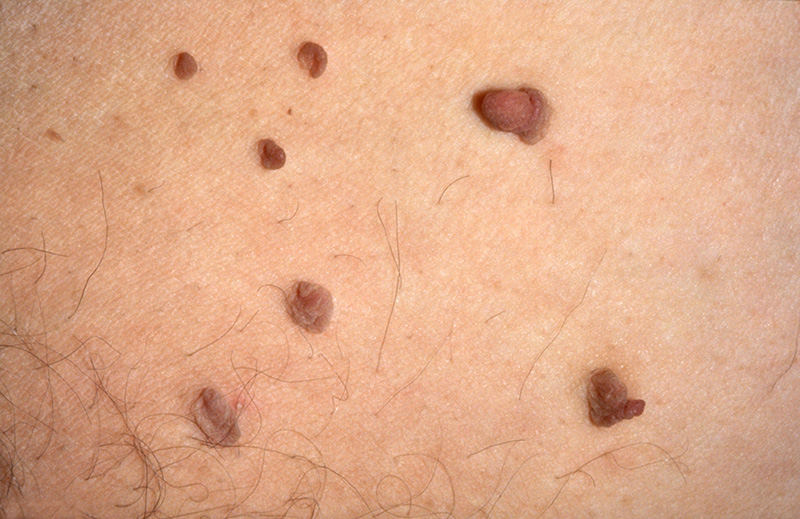
Skin tags are small, soft, harmless growths that commonly develop in areas where the skin rubs against itself or clothing. Although they are generally painless and non-cancerous, many people wonder what skin tags are caused by and whether they indicate an underlying health problem.The exact cause of skin tags is not fully understood, but researchers believe they result from a combination of friction, genetics, aging, hormonal changes, and certain medical conditions. While skin tags usually do not require treatment, they can become irritated or bothersome depending on their location. This article explains what skin tags are caused by, who is most at risk, available treatment options, and practical ways to reduce the likelihood of developing new skin tags.
- What Are Skin Tags?
- What Are Skin Tags Caused By?
- Who Is More Likely to Develop Skin Tags?
- Are Skin Tags Dangerous?
- Treatment Options
- Can Skin Tags Be Prevented?
- When Should You See a Doctor?
- Frequently Asked Questions
- What are skin tags caused by?
- Are skin tags a sign of diabetes?
- Can skin tags disappear on their own?
- Is it safe to remove skin tags at home?
- Are skin tags contagious?
- Conclusion
What Are Skin Tags?
Skin tags, also known by the medical term acrochordons, are small, flesh-colored or slightly darker growths that hang from the skin by a thin stalk. They are made up of collagen fibers, blood vessels, and skin cells.
Skin tags are benign, meaning they are not cancerous. They can appear almost anywhere on the body but are most commonly found in areas where skin experiences frequent friction.
Common locations include:
- Neck
- Armpits
- Eyelids
- Groin
- Under the breasts
- Upper chest
Most skin tags are only a few millimeters in size, although some may grow larger over time.
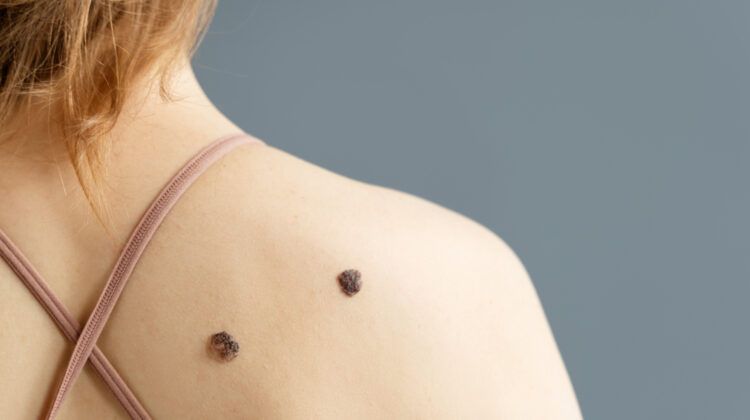
What Are Skin Tags Caused By?
The exact reason skin tags develop is still being studied, but several factors are strongly associated with their formation.
Skin Friction
One of the most common explanations for skin tags caused is repeated skin friction. Areas where skin rubs against skin or clothing are more likely to develop these small growths.
This is why skin tags frequently appear in skin folds and areas exposed to regular movement.
Genetics
Family history may also play an important role. People with close relatives who develop skin tags are often more likely to develop them themselves, suggesting a genetic predisposition.
Aging
Skin tags become more common with age, particularly in middle-aged and older adults. Changes in skin elasticity and collagen structure may contribute to their development.
Hormonal Changes
Hormonal fluctuations, especially during pregnancy, may increase the likelihood of developing skin tags. Increased hormone levels and changes in metabolism may stimulate skin growth in some individuals.
Excess Weight
People who are overweight or living with obesity often experience increased skin folds and friction, which may contribute to the development of skin tags.
Insulin Resistance and Type 2 Diabetes
Research suggests that people with insulin resistance, metabolic syndrome, or type 2 diabetes may have a higher risk of developing multiple skin tags. While skin tags are not a diagnosis of diabetes, they may sometimes be associated with metabolic health conditions.
Who Is More Likely to Develop Skin Tags?
Certain individuals are more likely to develop skin tags than others.
Risk factors include:
- Adults over the age of 40
- People with overweight or obesity
- Pregnant women
- Individuals with a family history of skin tags
- People with type 2 diabetes or insulin resistance
- Those with frequent skin friction
Having one or more risk factors does not necessarily mean you will develop skin tags, but it may increase the likelihood.
Are Skin Tags Dangerous?
In most cases, skin tags are completely harmless and do not become cancerous.
However, a skin growth should be assessed by a healthcare professional if it:
- Changes color rapidly
- Bleeds without injury
- Becomes painful
- Grows unusually quickly
- Has an irregular appearance
- Is difficult to distinguish from another type of skin lesion
A proper diagnosis is important because other skin conditions can sometimes resemble skin tags.
Treatment Options
Skin tags do not usually require treatment unless they become irritated, catch on clothing or jewelry, or cause cosmetic concerns.
Common treatment options include:
Cryotherapy
A healthcare professional freezes the skin tag using liquid nitrogen, causing it to fall off over time.
Surgical Removal
A doctor may remove the skin tag using sterile surgical scissors or a scalpel under appropriate clinical conditions.
Electrocautery
An electrical current is used to remove the skin tag while sealing blood vessels.
Ligation
A healthcare provider may tie off the blood supply to the skin tag, allowing it to dry out and eventually fall off.
Avoid attempting to remove skin tags yourself without medical guidance, especially those on the face, eyelids, or genital area, as this can lead to infection, bleeding, or scarring.
Can Skin Tags Be Prevented?
Although skin tags cannot always be prevented, certain healthy habits may reduce your risk.
These include:
- Maintaining a healthy body weight
- Reducing skin friction where possible
- Wearing properly fitting clothing
- Managing blood sugar levels if you have diabetes
- Following a healthy diet and regular exercise routine
While these measures cannot guarantee prevention, they may lower the chances of developing new skin tags.
When Should You See a Doctor?
You should seek medical advice if:
- A skin tag becomes painful.
- It bleeds frequently.
- It changes in size, color, or shape.
- You are unsure whether the growth is actually a skin tag.
- It becomes infected or repeatedly irritated.
A healthcare professional can confirm the diagnosis and recommend the most appropriate treatment.
Frequently Asked Questions
What are skin tags caused by?
Skin tags are thought to be caused by a combination of skin friction, genetics, aging, hormonal changes, excess weight, and certain metabolic conditions such as insulin resistance.
Are skin tags a sign of diabetes?
Not necessarily. However, multiple skin tags may occur more frequently in people with insulin resistance or type 2 diabetes. They should not be used alone to diagnose diabetes.
Can skin tags disappear on their own?
Some skin tags may shrink or fall off naturally, but many remain unless they are professionally removed.
Is it safe to remove skin tags at home?
It is generally safer to have skin tags evaluated and, if necessary, removed by a qualified healthcare professional rather than attempting home removal.
Are skin tags contagious?
No. Skin tags are not caused by infections and cannot spread from one person to another.
Conclusion
Understanding what skin tags are caused by can help you recognize common risk factors and make informed decisions about your skin health. Although the exact cause is not fully understood, friction, genetics, aging, hormonal changes, and certain health conditions all appear to contribute to their development.
Most skin tags are harmless and do not require treatment. However, if a skin growth changes in appearance, becomes painful, or causes concern, it is important to seek medical advice for an accurate diagnosis. Maintaining a healthy lifestyle and reducing unnecessary skin friction may help lower your risk of developing additional skin tags over time.