

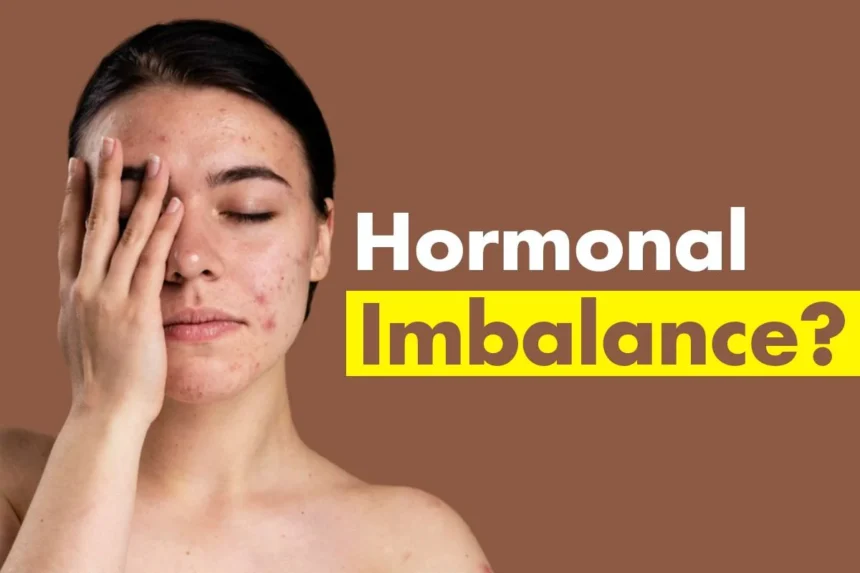
A Hormone Imbalance can affect nearly every aspect of your health, from energy levels and mood to metabolism, sleep, and reproductive function. Hormones are chemical messengers that travel through the bloodstream and regulate essential bodily processes. When hormone levels become too high or too low, the body may struggle to function properly, leading to a variety of physical and emotional symptoms.
Millions of people experience a Hormone Imbalance at some point in their lives. While hormonal fluctuations can occur naturally due to aging, pregnancy, or menopause, persistent imbalances may require medical attention and lifestyle changes. Understanding the causes, symptoms, and treatment options can help individuals take control of their health and improve their quality of life.
What Is a Hormone Imbalance?
A Hormone Imbalance occurs when there is too much or too little of a specific hormone in the bloodstream. Even minor changes in hormone levels can have significant effects because hormones regulate critical functions throughout the body.
Key hormones include:
- Estrogen
- Progesterone
- Testosterone
- Cortisol
- Insulin
- Thyroid hormones
- Growth hormone
When these hormones are not properly balanced, various health issues may develop.
Why Hormones Are Important
Hormones play a crucial role in maintaining overall health. They help regulate:
- Metabolism
- Growth and development
- Reproductive health
- Mood and emotions
- Sleep cycles
- Blood sugar levels
- Stress response
- Body temperature
A Hormone Imbalance can disrupt one or more of these functions, causing noticeable symptoms that impact daily life.
Common Causes of Hormone Imbalance
Many factors can contribute to a Hormone Imbalance. Some causes are temporary, while others may require long-term management.
Thyroid Disorders
The thyroid gland produces hormones that regulate metabolism. Conditions such as hypothyroidism and hyperthyroidism are common causes of hormonal imbalance.
Chronic Stress
Long-term stress increases cortisol production. Elevated cortisol levels can interfere with other hormones and contribute to fatigue, weight gain, and mood changes.
Poor Diet
A diet high in processed foods, sugar, and unhealthy fats may negatively affect hormone production and regulation.
Diabetes and Insulin Resistance
Insulin is a hormone responsible for controlling blood sugar levels. Problems with insulin production or sensitivity can lead to hormonal disruptions.
Polycystic Ovary Syndrome (PCOS)
PCOS is one of the most common hormonal disorders affecting women and can cause irregular periods, infertility, and weight gain.
Menopause and Aging
Hormone levels naturally change with age. Women experience significant hormonal shifts during menopause, while men may experience gradual declines in testosterone levels.
Certain Medications
Some medications can affect hormone production and contribute to a Hormone Imbalance.
Symptoms of Hormone Imbalance
Symptoms vary depending on which hormones are affected and the severity of the imbalance.
Common Symptoms in Women
Women experiencing a Hormone Imbalance may notice:
- Irregular menstrual cycles
- Heavy or light periods
- Mood swings
- Weight gain
- Acne
- Hair thinning
- Sleep disturbances
- Hot flashes
- Fatigue
Common Symptoms in Men
Men may experience:
- Reduced libido
- Erectile dysfunction
- Fatigue
- Muscle loss
- Increased body fat
- Depression
- Difficulty concentrating
Symptoms That Affect Both Men and Women
A Hormone Imbalance can cause:
- Unexplained weight changes
- Anxiety
- Depression
- Digestive issues
- Increased hunger
- Excessive sweating
- Sleep problems
- Low energy levels
How Hormone Imbalance Is Diagnosed
Diagnosing a Hormone Imbalance typically involves a combination of medical history, physical examination, and laboratory testing.
Blood Tests
Blood tests help measure hormone levels and identify abnormalities.
Thyroid Function Tests
These tests evaluate thyroid hormone production and thyroid gland function.
Imaging Tests
In some cases, imaging studies such as ultrasounds or MRIs may be necessary to identify underlying conditions.
Symptom Evaluation
Healthcare providers often review symptoms and lifestyle factors to determine the possible cause of hormonal disruption.
Treatment Options for Hormone Imbalance
Treatment depends on the specific hormone involved and the underlying cause.
Hormone Replacement Therapy
Hormone replacement therapy may be recommended for individuals with significant deficiencies.
Medications
Doctors may prescribe medications to regulate hormone levels or treat conditions contributing to the imbalance.
Lifestyle Changes
Healthy lifestyle habits often play a major role in restoring hormonal balance.
Natural Ways to Improve Hormonal Health
Many people can support hormonal balance through healthy daily habits.
Eat a Balanced Diet
Focus on nutrient-rich foods such as:
- Fruits
- Vegetables
- Lean proteins
- Whole grains
- Healthy fats
These foods support hormone production and overall health.
Exercise Regularly
Physical activity helps regulate insulin, cortisol, and other important hormones.
Benefits include:
- Better metabolism
- Improved mood
- Weight management
- Enhanced sleep quality
Manage Stress
Reducing stress can lower cortisol levels and improve hormonal health.
Helpful strategies include:
- Meditation
- Deep breathing exercises
- Yoga
- Regular physical activity
Get Quality Sleep
Sleep plays a vital role in hormone regulation. Most adults should aim for seven to nine hours of sleep each night.
Maintain a Healthy Weight
Excess body fat can affect hormone production and increase the risk of hormonal disorders.
Foods That Support Hormone Balance
Certain foods may help maintain healthy hormone levels.
Healthy Fats
Examples include:
- Avocados
- Olive oil
- Nuts
- Seeds
High-Fiber Foods
Fiber helps support digestion and hormone metabolism.
Sources include:
- Vegetables
- Fruits
- Whole grains
- Legumes
Protein-Rich Foods
Protein supports hormone production and appetite regulation.
Good sources include:
- Fish
- Eggs
- Chicken
- Beans
When to See a Doctor
You should consult a healthcare professional if you experience:
- Persistent fatigue
- Unexplained weight changes
- Severe mood swings
- Irregular menstrual cycles
- Fertility issues
- Ongoing sleep problems
Early diagnosis can help prevent complications and improve treatment outcomes.
Long-Term Effects of Untreated Hormone Imbalance
Ignoring a Hormone Imbalance may increase the risk of:
- Diabetes
- Heart disease
- Infertility
- Osteoporosis
- Obesity
- Mental health challenges
Seeking medical advice and making healthy lifestyle choices can reduce these risks.
Internal and External Link Opportunities
Conclusion
A Hormone Imbalance can significantly impact physical health, emotional well-being, and daily life. From thyroid disorders and chronic stress to aging and lifestyle factors, many conditions can contribute to hormonal disruptions. Fortunately, proper diagnosis, medical treatment, and healthy lifestyle changes can help restore balance and improve overall health.
By recognizing symptoms early, maintaining a nutritious diet, exercising regularly, managing stress, and seeking professional guidance when needed, individuals can take meaningful steps toward better hormonal health. Understanding Hormone Imbalance is the first step toward achieving long-term wellness and a healthier, more balanced life.