

How Much Chlorine to Add to Pool: The Ultimate Beginner’s Guide
Keeping your swimming pool clean and safe requires proper water chemistry, and chlorine plays the most important role in pool sanitation. Many pool owners often ask, “how much chlorine to add to pool?” The answer depends on several factors, including pool size, chlorine type, weather conditions, and current chlorine levels.
- Why Chlorine Is Important for Pools
- Ideal Chlorine Levels for Swimming Pools
- How Much Chlorine to Add to Pool Per Gallon
- Types of Pool Chlorine
- How Often Should You Add Chlorine?
- Best Time to Add Chlorine to Pool
- Signs Your Pool Needs More Chlorine
- Pool Shock: When Extra Chlorine Is Needed
- Common Mistakes When Adding Chlorine
- How to Test Pool Chlorine Levels
- Other Chemicals That Affect Chlorine
- Tips for Maintaining Proper Chlorine Levels
- Final Thoughts on How Much Chlorine to Add to Pool
Adding the correct amount of chlorine helps eliminate bacteria, algae, and harmful contaminants while keeping the water clear and healthy for swimmers. In this complete guide, you will learn how to calculate chlorine dosage, maintain ideal chlorine levels, and avoid common mistakes.
Why Chlorine Is Important for Pools
Chlorine is a chemical sanitizer used to disinfect pool water. It kills bacteria, viruses, algae, and other contaminants that enter the water through swimmers, rain, dirt, and debris.
Benefits of Proper Chlorine Levels
- Keeps pool water safe for swimming
- Prevents algae growth
- Removes harmful microorganisms
- Helps maintain clear water
- Reduces unpleasant odors caused by contaminants
Without proper chlorination, pool water can quickly become cloudy and unsafe.
Ideal Chlorine Levels for Swimming Pools
Before learning how much chlorine to add to pool, it is important to understand the recommended chlorine range.
Recommended Free Chlorine Levels
The ideal chlorine level for most residential pools is:
- 1 to 3 parts per million (ppm)
For commercial or heavily used pools, levels may slightly vary based on local regulations.
How Much Chlorine to Add to Pool Per Gallon
The amount of chlorine needed depends mainly on the size of your pool.
General Chlorine Dosage Rule
Typically:
- Add 2 to 4 ppm chlorine per pool treatment
- Around 2 to 3 ounces of chlorine per 10,000 gallons of water
However, dosage changes depending on the chlorine product you use.
Types of Pool Chlorine
Different chlorine products require different amounts.
Chlorine Tablets
Chlorine tablets are slow-dissolving and commonly used for regular maintenance.
Standard Dosage
- One 3-inch tablet treats about 5,000 gallons of water
- Usually added weekly
Place tablets in:
- Floating dispensers
- Automatic chlorinators
- Skimmer baskets
Liquid Chlorine
Liquid chlorine works quickly and is commonly used for rapid sanitization.
Average Dosage
- About ½ gallon per 10,000 gallons raises chlorine by approximately 5 ppm
Chlorine Granules
Granular chlorine dissolves quickly and is often used for shock treatments.
Typical Usage
- Follow manufacturer instructions carefully
- Commonly 1 pound per 10,000 gallons for shock treatment
How Often Should You Add Chlorine?
Most pools require chlorine regularly to maintain safe levels.
Recommended Schedule
Daily Testing
Test chlorine levels every day during heavy pool use.
Weekly Chlorine Addition
Most residential pools need chlorine added at least once or twice per week.
After Rain or Heavy Usage
Extra chlorine may be required after:
- Pool parties
- Rainstorms
- Hot weather
- Windy conditions
Best Time to Add Chlorine to Pool
The best time to chlorinate your pool is during the evening or at night.
Why Evening Is Best
Sunlight reduces chlorine effectiveness because UV rays break down chlorine quickly. Adding chlorine after sunset allows it to work more efficiently.
Signs Your Pool Needs More Chlorine
If chlorine levels are too low, your pool may show warning signs.
Common Symptoms
- Cloudy water
- Strong chlorine smell
- Green algae growth
- Eye irritation
- Slippery pool walls
Ironically, a strong chlorine odor usually means chlorine is insufficient and contaminants are building up.
Pool Shock: When Extra Chlorine Is Needed
Sometimes regular chlorination is not enough. Pool shock uses a large chlorine dose to restore water quality.
When to Shock a Pool
You should shock your pool:
- After heavy rainfall
- Following intense pool usage
- If algae appears
- When water becomes cloudy
- After long periods without maintenance
Typical Shock Dosage
- 1 pound of shock per 10,000 gallons of water
Always read product instructions for accurate measurements.
Common Mistakes When Adding Chlorine
Many pool owners accidentally over-chlorinate or under-chlorinate their pools.
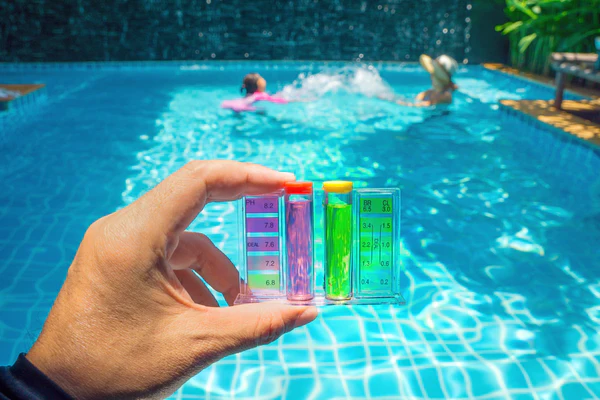
How to Test Pool Chlorine Levels
Testing is essential before adding chlorine.
Pool Testing Methods
Test Strips
Fast and simple for home pool owners.
Liquid Test Kits
Provide more accurate readings.
Digital Pool Testers
Offer advanced precision and convenience.
Testing at least 2–3 times weekly helps maintain stable water chemistry.
Other Chemicals That Affect Chlorine
Chlorine works best when other pool chemicals are balanced.
Important Water Chemistry Levels
pH Level
Ideal range:
- 7.2 to 7.6
Cyanuric Acid
Helps protect chlorine from sunlight.
Alkalinity
Recommended range:
- 80 to 120 ppm
Balanced water chemistry improves chlorine efficiency and reduces maintenance costs.
Tips for Maintaining Proper Chlorine Levels
Keep Your Pool Covered
Pool covers reduce chlorine loss from sunlight and debris.
Clean the Pool Regularly
Skim leaves and vacuum dirt to reduce chlorine demand.
Run Pool Filters Daily
Good circulation helps distribute chlorine evenly.
Store Chlorine Safely
Keep chlorine products in cool, dry places away from direct sunlight.
Final Thoughts on How Much Chlorine to Add to Pool
Understanding how much chlorine to add to pool is essential for maintaining clean, healthy, and crystal-clear water. The correct chlorine amount depends on pool size, usage, weather, and current water conditions.
For most residential pools, maintaining chlorine levels between 1 and 3 ppm ensures safe swimming and prevents algae or bacteria growth. Regular testing, balanced water chemistry, and proper chlorination schedules will keep your pool in excellent condition all season long.