
Olympic Pool Size: Complete Guide to Official Dimensions and Standards
Swimming is one of the most popular sports in the world, and Olympic competitions showcase the highest level of talent and performance. One important aspect that makes Olympic swimming unique is the strict standard for Olympic pool size. These pools are designed according to international regulations to ensure fairness, accuracy, and safety during competitions.
Whether you are a swimmer, coach, sports enthusiast, or someone planning to build a competition pool, understanding Olympic pool dimensions is essential. In this guide, we will explain the official size, depth, lane requirements, and other important details about Olympic swimming pools.
What Is the Official Olympic Pool Size?
The official Olympic pool size is regulated by World Aquatics (formerly FINA). These standards are used in the Olympic Games and other international swimming competitions.
Official Olympic Pool Dimensions
Here are the standard measurements for an Olympic swimming pool:
- Length: 50 meters (164 feet)
- Width: 25 meters (82 feet)
- Depth: Minimum 2 meters (6.5 feet)
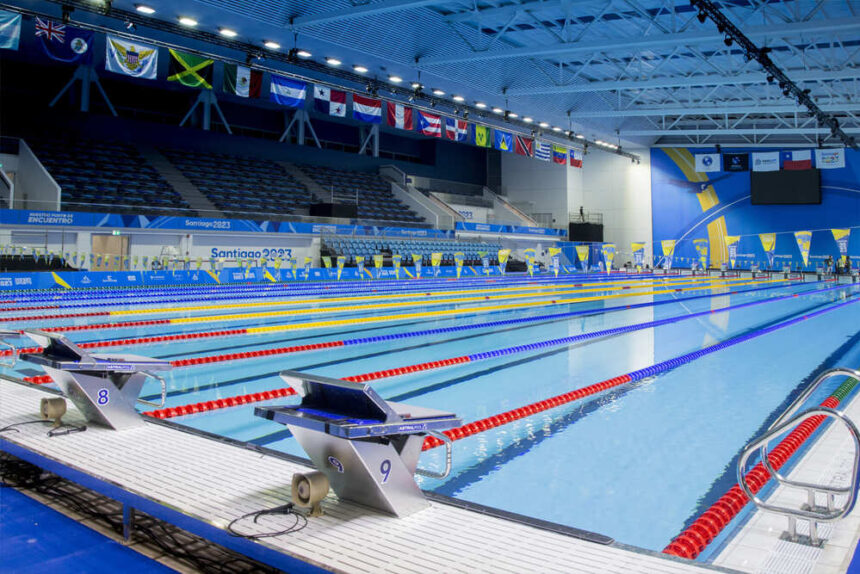
- Number of Lanes: 10 lanes
- Lane Width: 2.5 meters each
The central eight lanes are usually used for competition, while the outer two lanes help reduce wave interference.
Why Olympic Pool Size Matters
The size of an Olympic swimming pool directly affects athlete performance. Standardized dimensions create equal conditions for all swimmers and ensure accurate timing during races.
Key Benefits of Standard Pool Dimensions
Fair Competition
All swimmers compete under identical conditions, which is essential in international sports.
Better Performance Tracking
Records and timings can only be compared accurately when pools follow the same measurements.
Improved Safety
Proper depth and lane width help reduce accidents and allow swimmers to perform safely.
Olympic Pool Depth Requirements
Depth plays a major role in competitive swimming. The minimum depth for an Olympic pool is 2 meters, but many modern Olympic venues use deeper pools.
Recommended Depth for Modern Olympic Pools
Many professional facilities now use pools that are:
- 3 meters deep
- Sometimes even deeper for advanced competitions
Deeper water reduces turbulence and wave reflection, allowing swimmers to move faster through the water.
Number of Lanes in an Olympic Pool
An official Olympic swimming pool contains 10 lanes.
Lane Specifications
- Each lane is 2.5 meters wide
- The outer lanes act as buffer zones
- Competition generally takes place in the middle eight lanes
Lane ropes are specially designed to absorb waves and minimize water disturbance.
Olympic Pool Water Temperature Standards
Temperature is carefully controlled during Olympic events.
This range helps swimmers maintain peak performance without overheating or experiencing muscle stiffness.
Short Course vs Long Course Pools
In competitive swimming, there are two main pool categories.
Long Course Pool
- 50 meters long
- Used in Olympic Games
- Official Olympic pool format
Short Course Pool
- 25 meters long
- Used in smaller competitions
- Common in local swimming centers
Long course pools are generally considered more challenging because swimmers make fewer turns.
Construction Requirements for Olympic Pools
Building an Olympic-size swimming pool requires advanced engineering and planning.
Important Construction Features
Water Filtration Systems
Olympic pools use high-performance filtration systems to keep water clean and clear.
Overflow Gutters
Special gutter systems help reduce wave buildup.
Timing Equipment
Electronic touchpads and automated timing systems are installed for accurate race results.
Starting Blocks
Professional starting platforms are designed according to competition standards.
How Many Liters of Water Are in an Olympic Pool?
A standard Olympic-size swimming pool holds approximately:
- 2.5 million liters of water
- Around 660,000 gallons
The exact amount may vary depending on the pool depth.
Olympic Pool Size in Feet
For users more familiar with imperial measurements, here are the dimensions in feet:
- Length: 164 feet
- Width: 82 feet
- Depth: At least 6.5 feet
These measurements help international audiences better understand the scale of Olympic swimming pools.
Interesting Facts About Olympic Swimming Pools
Pools Are Designed for Speed
Modern Olympic pools use advanced technology to reduce water resistance and improve swimmer performance.
Water Quality Is Constantly Monitored
Officials regularly test water quality and chlorine levels during competitions.
Pool Lines Help Swimmers Stay Straight
The black lines on the pool floor guide swimmers and improve visibility underwater.
Choosing an Olympic-Size Pool for Training
Many elite athletes prefer training in Olympic-size pools because they prepare swimmers for real competition conditions.
Benefits of Training in Olympic Pools
- Builds endurance
- Improves pacing strategy
- Helps swimmers adapt to competition environments
Professional swim clubs and universities often invest in Olympic-standard facilities for advanced athlete development.
Maintenance of Olympic Swimming Pools
Maintaining an Olympic-size pool requires constant attention.
Key Maintenance Tasks
- Monitoring chemical balance
- Cleaning filtration systems
- Maintaining water temperature
- Inspecting lane ropes and timing systems
Regular maintenance ensures safety and optimal performance conditions.