
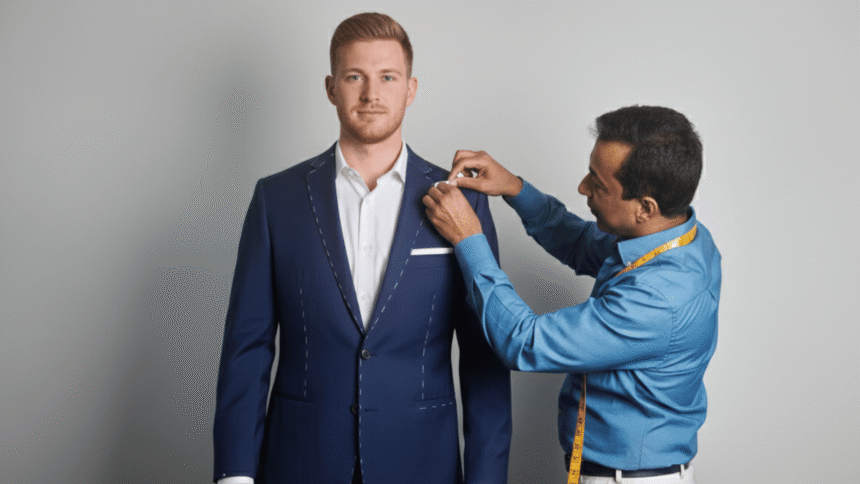
When shopping for custom clothing, many people encounter the terms bespoke and made-to-measure. While these terms are often used interchangeably, they represent two distinct tailoring processes. Understanding the difference between bespoke and made-to-measure can help you make an informed decision when investing in suits, shirts, or other tailored garments.
Whether you’re looking for a perfectly fitted business suit, a wedding outfit, or premium custom clothing, knowing how bespoke and made-to-measure tailoring differ is essential. This guide explores the key distinctions, benefits, costs, and factors to consider before choosing either option.
What Is Bespoke Tailoring?
Bespoke tailoring is the highest level of custom clothing craftsmanship. The term “bespoke” originated in London’s Savile Row, where fabrics were said to be “spoken for” by individual customers.
In bespoke tailoring, a garment is created entirely from scratch based on the client’s measurements, preferences, and style requirements.
Key Features of Bespoke Tailoring
Bespoke garments typically include:
- A unique pattern created specifically for the customer
- Multiple fitting sessions
- Extensive customization options
- Handcrafted construction techniques
- Personalized design details
Every aspect of the garment is built according to the wearer’s body shape and preferences.
What Is Made-to-Measure Tailoring?
Made-to-measure (MTM) tailoring is a semi-custom process that starts with an existing base pattern. A tailor adjusts the standard pattern using the customer’s measurements to create a better fit than off-the-rack clothing.
While made-to-measure garments offer customization, they do not provide the same level of personalization as bespoke tailoring.
Key Features of Made-to-Measure Clothing
Made-to-measure garments often include:
- Adjustments to existing patterns
- Limited customization options
- Fewer fittings
- Faster production times
- Lower overall costs
This approach provides a balance between affordability and customization.
Difference Between Bespoke and Made-to-Measure
Understanding the difference between bespoke and made-to-measure requires examining several important factors.
Pattern Creation
Bespoke
A bespoke garment begins with a completely new pattern created specifically for the individual client.
Benefits include:
- Exceptional fit
- Accommodation of unique body shapes
- Complete personalization
Made-to-Measure
Made-to-measure clothing uses a pre-existing pattern that is modified according to measurements.
Benefits include:
- Faster production
- Lower cost
- Reliable fit improvement
Level of Customization
Bespoke Customization
Bespoke tailoring offers nearly unlimited customization options.
Customers can select:
- Fabric
- Lining
- Buttons
- Lapel style
- Pocket design
- Stitching details
- Garment structure
Every design element can be tailored to personal preferences.
Made-to-Measure Customization
Made-to-measure clothing provides customization within predefined options.
Typical choices include:
- Fabric selection
- Button styles
- Pocket options
- Jacket vents
- Lapel variations
However, customization is generally more limited than bespoke tailoring.
Fit and Precision
One of the biggest differences between bespoke and made-to-measure lies in fit.
Bespoke Fit
Because the garment is built entirely around the individual, bespoke tailoring often delivers the most precise fit possible.
This is especially beneficial for individuals with:
- Uneven shoulders
- Unique body proportions
- Athletic builds
- Postural variations
Made-to-Measure Fit
Made-to-measure clothing provides a significantly improved fit compared to ready-made garments, but it may not achieve the same level of precision as bespoke tailoring.
Number of Fittings
Bespoke Process
A bespoke garment typically requires several fittings throughout production.
These fittings allow tailors to:
- Refine the fit
- Adjust proportions
- Improve comfort
- Perfect garment balance
Multiple fittings contribute to the exceptional quality associated with bespoke clothing.
Made-to-Measure Process
Made-to-measure garments usually require fewer fittings and, in some cases, only a single measurement appointment.
This streamlined process helps reduce production time and cost.
Cost Comparison
Bespoke Tailoring Costs
Bespoke garments are generally the most expensive tailoring option.
Factors affecting cost include:
- Hand craftsmanship
- Custom pattern development
- Premium materials
- Multiple fittings
- Tailor expertise
The investment reflects the time and skill involved in creating a one-of-a-kind garment.
Made-to-Measure Costs
Made-to-measure clothing is typically more affordable because it uses existing patterns and a simplified production process.
For many customers, it offers an excellent balance between quality and value.
Production Time
Bespoke Production Timeline
Bespoke tailoring often takes several weeks or even months to complete.
The extended timeline results from:
- Pattern creation
- Fabric preparation
- Multiple fittings
- Hand-finishing techniques
Made-to-Measure Production Timeline
Made-to-measure garments are usually completed more quickly, often within a few weeks.
This faster turnaround makes MTM an attractive option for those with tighter deadlines.
Who Should Choose Bespoke?
Bespoke tailoring may be ideal for:
- Professionals seeking premium clothing
- Individuals with unique body shapes
- Luxury fashion enthusiasts
- Clients wanting maximum customization
- Those investing in long-term wardrobe pieces
The personalized experience and superior fit often justify the higher cost.
Who Should Choose Made-to-Measure?
Made-to-measure is often the better choice for:
- First-time custom clothing buyers
- Budget-conscious shoppers
- Professionals seeking better-fitting suits
- Customers with standard body proportions
- Individuals needing faster delivery
It provides many benefits of customization without the premium price tag.Conclusion
The difference between bespoke and made-to-measure ultimately comes down to customization, craftsmanship, fit, and cost. Bespoke tailoring offers a fully personalized garment created from scratch, delivering the highest level of fit and individuality. Made-to-measure, on the other hand, modifies existing patterns to provide a customized fit at a more accessible price point.
Both options have their advantages, and the right choice depends on your budget, timeline, and expectations. If ultimate personalization and craftsmanship are your priorities, bespoke tailoring is worth considering. If you want improved fit and style without the premium investment, made-to-measure clothing remains an excellent alternative.