

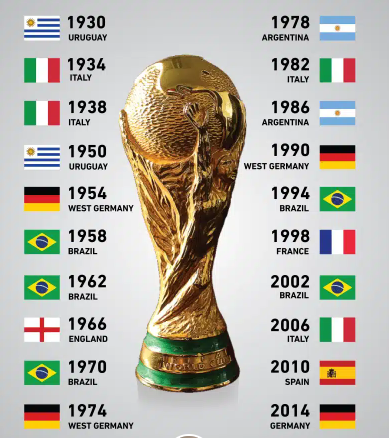
The FIFA World Cup is the most prestigious football tournament in the world, bringing together the best national teams from across the globe. Organized by the Fédération Internationale de Football Association (FIFA), the competition is held every four years and attracts billions of viewers worldwide.
Since its inception in 1930, the FIFA World Cup has become a symbol of international competition, national pride, and sporting excellence. From legendary players and unforgettable matches to historic victories and dramatic upsets, the tournament has created countless memorable moments in football history.
In this comprehensive guide, we’ll explore the history of the FIFA World Cup, its format, past winners, records, and the reasons behind its worldwide popularity.
History of the FIFA World Cup
The FIFA World Cup was first held in 1930 in Uruguay. FIFA established the tournament to create a global competition where national teams could compete for the title of world champion.
Uruguay hosted and won the inaugural tournament, defeating Argentina in the final. Since then, the competition has grown into the largest sporting event on the planet.
Early Years of the Tournament
The first few editions featured a relatively small number of participating teams. However, as football’s popularity expanded, more countries joined the qualification process.
Key milestones include:
- 1930: First FIFA World Cup held in Uruguay.
- 1950: Return of the tournament after World War II.
- 1970: Introduction of modern broadcasting technologies.
- 1998: Expansion to 32 teams.
- 2026: Planned expansion to 48 teams.
These developments helped transform the FIFA World Cup into a truly global spectacle.
How the FIFA World Cup Works
The FIFA World Cup follows a qualification and tournament structure that allows teams from every continent to compete.
Qualification Stage
Before reaching the tournament, national teams must participate in regional qualifying competitions.
Continental Confederations
Qualification is organized through FIFA’s six continental confederations:
- AFC (Asia)
- CAF (Africa)
- CONCACAF (North and Central America)
- CONMEBOL (South America)
- OFC (Oceania)
- UEFA (Europe)
Thousands of matches are played during the qualification process.
Tournament Format
Once qualified, teams compete in the final tournament.
Group Stage
Teams are divided into groups where they play round-robin matches.
Knockout Stage
The top teams advance to:
- Round of 16
- Quarterfinals
- Semifinals
- Final
The winner of the final becomes the FIFA World Cup champion.
FIFA World Cup Winners Through History
Several nations have left a lasting mark on the tournament.
Most Successful Teams
Brazil
Brazil is the most successful nation in FIFA World Cup history, with five titles.
World Cup victories:
- 1958
- 1962
- 1970
- 1994
- 2002
Germany
Germany has won four FIFA World Cup titles and consistently performs at the highest level.
Italy
Italy is also a four-time champion and one of football’s traditional powerhouses.
Argentina
Argentina has produced some of the sport’s greatest players and multiple World Cup triumphs.
France
France has emerged as one of the strongest modern football nations with multiple titles.
Legendary FIFA World Cup Players
The FIFA World Cup has showcased some of football’s greatest talents.
Pelé
Widely regarded as one of the greatest footballers ever, Pelé won three World Cups with Brazil.
Diego Maradona
Maradona’s performances during the 1986 tournament remain among the most iconic in football history.
Lionel Messi
Messi cemented his legacy by leading Argentina to FIFA World Cup glory in 2022.
Cristiano Ronaldo
Although Ronaldo has achieved remarkable success throughout his career, the FIFA World Cup remains one of the most prestigious stages on which he has competed.
Zinedine Zidane
Zidane played a pivotal role in France’s World Cup success and remains a football legend.
Memorable FIFA World Cup Moments
The tournament has delivered countless unforgettable moments.
Maradona’s “Hand of God”
One of football’s most discussed incidents occurred during the 1986 FIFA World Cup.
Brazil’s Dominance
Brazil’s attacking style and success have produced many iconic World Cup memories.
Germany 7-1 Brazil
The 2014 semifinal shocked the football world when Germany defeated Brazil 7-1.
Argentina’s 2022 Triumph
The 2022 final between Argentina and France is widely considered one of the greatest FIFA World Cup matches ever played.
Records in FIFA World Cup History
The FIFA World Cup has produced numerous records over the decades.
Most Titles
- Brazil – 5
Most Appearances
Several players have participated in five World Cup tournaments.
Most Goals
Miroslav Klose holds the record for the most goals scored in FIFA World Cup history.
Largest Attendance
The tournament consistently attracts millions of spectators and billions of television viewers.
Economic and Cultural Impact of the FIFA World Cup
The FIFA World Cup influences much more than football.
Tourism Boost
Host nations often experience significant increases in tourism and international visibility.
Infrastructure Development
Many countries invest heavily in:
- Stadiums
- Transportation
- Hotels
- Public services
Global Unity
The FIFA World Cup brings together people from different cultures, languages, and backgrounds through a shared passion for football.
Why the FIFA World Cup Is So Popular
Several factors contribute to the tournament’s global appeal.
National Pride
Fans passionately support their national teams on the world stage.
Elite Competition
The tournament features the best football players and teams in the world.
Historic Moments
Every edition creates memorable stories that become part of football history.
Worldwide Audience
Billions of viewers watch FIFA World Cup matches, making it one of the most-watched sporting events globally.
Conclusion
The FIFA World Cup stands as the pinnacle of international football, uniting nations and inspiring billions of fans worldwide. Since its first tournament in 1930, it has evolved into a global celebration of talent, competition, and sporting excellence.
From legendary champions and unforgettable goals to dramatic finals and historic records, the FIFA World Cup continues to capture the imagination of football enthusiasts across generations. As future tournaments introduce new stars and create fresh memories, the legacy of the FIFA World Cup will remain stronger than ever.
Whether you’re a lifelong supporter or new to the sport, the FIFA World Cup represents the very best that football has to offer.