

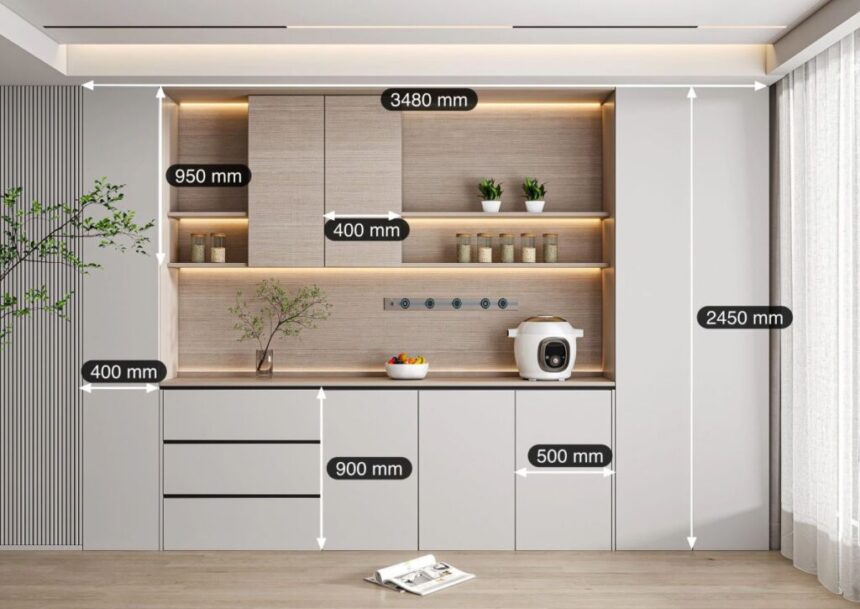
Choosing the right cabinet dimensions is one of the most important steps in designing a functional and attractive kitchen. Whether you’re remodeling an existing space or building a new one, understanding STD kitchen cabinet sizes can help you create an efficient layout, maximize storage, and simplify the installation process. Standard cabinet dimensions are widely used by manufacturers because they fit most kitchen designs and work well with standard appliances. In this guide, you’ll learn about the standard sizes for base, wall, and tall cabinets, as well as practical tips for selecting the right options for your kitchen.
- What Are STD Kitchen Cabinet Sizes?
- Standard Base Cabinet Sizes
- Standard Wall Cabinet Sizes
- Standard Tall Cabinet Sizes
- Standard Toe Kick Dimensions
- Standard Countertop Overhang
- Why Choose Standard Kitchen Cabinet Sizes?
- Tips for Selecting the Right Cabinet Sizes
- Common Questions About STD Kitchen Cabinet Sizes
- Are standard cabinets suitable for every kitchen?
- Can standard cabinets be customized?
- Are custom cabinets better?
- Conclusion
What Are STD Kitchen Cabinet Sizes?
STD kitchen cabinet sizes refer to the industry-standard dimensions used for kitchen cabinetry. These measurements help ensure compatibility with countertops, appliances, and other kitchen fixtures.
While custom cabinets can be made in virtually any size, standard cabinets are often more affordable, readily available, and easier to install.
The three primary categories of kitchen cabinets are:
- Base cabinets
- Wall cabinets
- Tall (pantry) cabinets
Each has standard dimensions designed to meet common kitchen needs.
Standard Base Cabinet Sizes
Base cabinets form the foundation of most kitchens, supporting countertops and providing storage for cookware, utensils, and small appliances.
Standard Height
Without a countertop, the standard height is:
- 34½ inches (876 mm)
With a countertop installed, the finished height is typically:
- 36 inches (914 mm)
This height is considered comfortable for most food preparation tasks.
Standard Depth
The standard depth of a base cabinet is:
- 24 inches (610 mm)
This allows sufficient workspace while leaving adequate room for movement throughout the kitchen.
Standard Width
Base cabinet widths vary depending on their purpose. Common widths include:
- 9 inches
- 12 inches
- 15 inches
- 18 inches
- 21 inches
- 24 inches
- 30 inches
- 33 inches
- 36 inches
- 42 inches
- 48 inches
Sink cabinets and drawer cabinets often use wider dimensions.
Standard Wall Cabinet Sizes
Wall cabinets provide convenient storage above countertops while keeping frequently used items within easy reach.
Standard Height
Common wall cabinet heights include:
- 12 inches
- 15 inches
- 18 inches
- 24 inches
- 30 inches
- 36 inches
- 42 inches
The appropriate height depends on ceiling height and kitchen design.
Standard Depth
The standard wall cabinet depth is:
- 12 inches (305 mm)
Some specialty cabinets may be 15 or 24 inches deep, particularly those installed above refrigerators.
Standard Width
Wall cabinet widths commonly range from:
- 9 inches
- 12 inches
- 15 inches
- 18 inches
- 24 inches
- 30 inches
- 36 inches
- 42 inches
- 48 inches
Manufacturers usually increase widths in 3-inch increments.
Standard Tall Cabinet Sizes
Tall cabinets, also called pantry cabinets, offer generous storage for food, cleaning supplies, and kitchen appliances.
Standard Height
Popular heights include:
- 84 inches
- 90 inches
- 96 inches
The ideal height depends on your ceiling and available space.
Standard Depth
Typical depths are:
- 12 inches
- 24 inches
A 24-inch depth aligns with base cabinets for a seamless appearance.
Standard Width
Common widths include:
- 18 inches
- 24 inches
- 30 inches
- 36 inches
These options accommodate different storage requirements.
Standard Toe Kick Dimensions
The toe kick is the recessed area at the bottom of base cabinets that provides space for your feet while standing at the countertop.
Typical dimensions are:
- Height: 4 inches
- Depth: 3 inches
These measurements improve comfort during meal preparation and other kitchen tasks.
Standard Countertop Overhang
Most countertops extend slightly beyond the cabinet face.
Typical overhang:
- 1 to 1½ inches
This protects cabinet doors and drawers from spills while improving the finished appearance.
Why Choose Standard Kitchen Cabinet Sizes?
Using STD kitchen cabinet sizes offers several advantages.
Lower Cost
Standard cabinets are mass-produced, making them significantly more affordable than custom cabinetry.
Easier Installation
Because they follow industry dimensions, installers can complete projects more efficiently.
Better Appliance Compatibility
Most refrigerators, dishwashers, ovens, and cooktops are designed to fit standard cabinet layouts.
Faster Availability
Standard cabinets are widely stocked by home improvement stores and cabinet manufacturers, reducing wait times.
Tips for Selecting the Right Cabinet Sizes
When planning your kitchen, keep these recommendations in mind:
Measure Carefully
Always measure your kitchen before ordering cabinets. Check wall lengths, ceiling height, window placement, and appliance dimensions.
Plan Around Appliances
Ensure adequate space for refrigerators, dishwashers, ranges, microwaves, and ventilation systems.
Maximize Storage
Use combinations of drawers, shelves, pull-out organizers, and pantry cabinets to improve functionality.
Consider Ergonomics
Choose cabinet heights and layouts that make cooking, cleaning, and food preparation comfortable for everyone using the kitchen.
Common Questions About STD Kitchen Cabinet Sizes
Are standard cabinets suitable for every kitchen?
Yes, standard cabinets work well for most kitchens. However, unusual layouts or unique design requirements may benefit from custom cabinetry.
Can standard cabinets be customized?
Many manufacturers offer accessories, trim pieces, fillers, and organizers that allow standard cabinets to fit a wide variety of kitchen designs.
Are custom cabinets better?
Custom cabinets provide greater design flexibility but generally cost more and require longer production times.
Conclusion
Understanding STD kitchen cabinet sizes is essential for creating a practical, efficient, and visually appealing kitchen. Standard dimensions make it easier to plan your layout, select compatible appliances, and stay within budget.
Whether you’re replacing a few cabinets or completing a full kitchen renovation, choosing standard base, wall, and tall cabinet sizes can simplify the entire process. By measuring carefully and selecting cabinets that match your storage needs, you’ll create a kitchen that is both functional and attractive for years to come.