

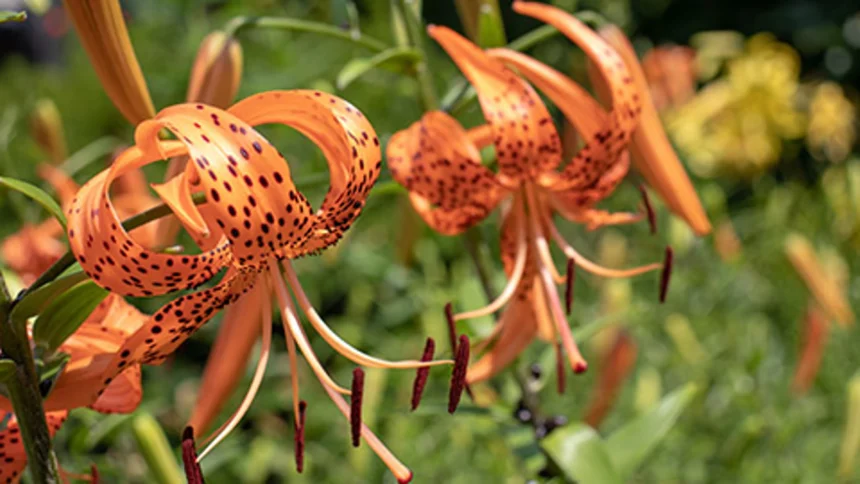
Orange flowers are among the most vibrant and eye-catching blooms you can add to a garden or floral arrangement. Their warm, energetic color symbolizes enthusiasm, joy, creativity, and success, making them a favorite choice for home gardens, landscapes, and special occasions. If you’re looking for everything about flowers with orange, this guide covers the most popular varieties, their symbolism, planting and care tips, and ideas for incorporating these beautiful blooms into your outdoor and indoor spaces.
Why Choose Orange Flowers?
Orange flowers bring warmth and energy to any landscape. They create striking contrasts with green foliage and pair beautifully with yellow, purple, blue, and white flowers.
Some benefits of planting orange flowers include:
- Brightening garden beds
- Attracting pollinators like bees and butterflies
- Creating colorful bouquets
- Enhancing curb appeal
- Adding seasonal interest
Whether you have a small backyard or a large landscape, orange flowers can make your garden more inviting.
The Meaning of Orange Flowers
The color orange is often associated with positive emotions and vibrant energy.
Common symbolic meanings include:
- Enthusiasm
- Passion
- Confidence
- Creativity
- Happiness
- Friendship
- Encouragement
- Success
Because of these meanings, orange flowers are popular gifts for celebrations, graduations, birthdays, and achievements.
Popular Flowers with Orange Blooms
Many flowering plants produce stunning orange blossoms. Here are some of the most popular options.
Marigolds
Marigolds are among the easiest orange flowers to grow. Their bright blooms appear throughout the growing season and are commonly used in gardens to attract beneficial insects.
Growing Tips
- Full sun
- Well-drained soil
- Moderate watering
- Deadhead spent blooms to encourage continuous flowering
Orange Roses
Orange roses symbolize excitement, admiration, and enthusiasm. They are commonly included in bouquets and ornamental gardens.
Best Features
- Elegant appearance
- Pleasant fragrance (depending on the variety)
- Long blooming season
- Excellent cut flowers
California Poppy
California poppies are famous for their vivid orange petals and ability to thrive in sunny conditions.
Growing Conditions
- Full sunlight
- Sandy or well-drained soil
- Low water requirements after establishment
Daylilies
Orange daylilies are hardy perennials that bloom during the summer months. Although each flower lasts only one day, the plants produce many buds over an extended period.
Orange Tulips
Orange tulips provide brilliant spring color and are ideal for borders, containers, and flower beds.
They thrive in cooler climates and require bulbs to be planted in the fall for spring blooms.
Gerbera Daisies
Gerbera daisies are known for their large, cheerful flowers and make excellent additions to both gardens and floral arrangements.
They prefer:
- Bright sunlight
- Well-draining soil
- Regular watering without waterlogging
Zinnias
Orange zinnias are popular annual flowers that bloom continuously from summer until the first frost.
Benefits include:
- Easy maintenance
- Excellent pollinator attraction
- Wide variety of sizes
- Ideal for cutting gardens
Lantana
Lantana produces clusters of vibrant flowers, often featuring shades of orange, yellow, and red on the same plant.
It performs especially well in warm climates and attracts butterflies throughout the growing season.
How to Grow Orange Flowers Successfully
Growing orange flowers is relatively simple when you provide suitable conditions.
Choose the Right Location
Most flowering plants prefer:
- Six to eight hours of sunlight daily
- Good air circulation
- Well-drained soil
Water Properly
Avoid overwatering. Most flowering plants perform best when the soil remains moist but not soggy.
Deep watering once or twice a week is often more effective than frequent shallow watering.
Fertilize Regularly
Use a balanced fertilizer during the growing season to encourage healthy foliage and abundant blooms.
Always follow the manufacturer’s application recommendations.
Remove Spent Flowers
Deadheading encourages many flowering plants to produce additional blooms while keeping your garden looking tidy.
Orange Flowers That Attract Pollinators
Many orange flowers naturally attract beneficial pollinators, including:
- Bees
- Butterflies
- Hummingbirds
- Beneficial insects
Excellent pollinator-friendly choices include marigolds, zinnias, lantana, and California poppies.
Supporting pollinators also improves the health of your entire garden ecosystem.
Decorating with Orange Flowers
Orange flowers work beautifully in both indoor and outdoor settings.
Popular uses include:
- Wedding bouquets
- Seasonal centerpieces
- Front yard landscaping
- Container gardens
- Patio decorations
- Mixed flower borders
Their bold color pairs well with white, purple, blue, and yellow blooms for visually appealing displays.
Common Problems and Solutions
Like many garden plants, orange flowers may face certain challenges.
Pests
Watch for:
- Aphids
- Spider mites
- Whiteflies
Natural insecticidal soap or neem oil can help manage infestations.
Diseases
Good spacing and proper watering help reduce fungal diseases such as powdery mildew and root rot.
Poor Blooming
If plants produce few flowers:
- Increase sunlight exposure.
- Apply a balanced fertilizer.
- Remove faded blooms regularly.
- Avoid excessive nitrogen fertilizer.
Conclusion
If you’re looking for everything about flowers with orange, these vibrant blooms offer beauty, symbolism, and versatility for nearly every type of garden. From cheerful marigolds and elegant orange roses to colorful zinnias and hardy daylilies, there is an orange flower suitable for every gardener and landscape.
By providing proper sunlight, well-drained soil, regular watering, and routine maintenance, you can enjoy brilliant orange blossoms throughout much of the growing season. Whether you’re designing a colorful flower bed, attracting pollinators, or creating stunning floral arrangements, orange flowers are a rewarding choice that adds warmth and energy to any space.