

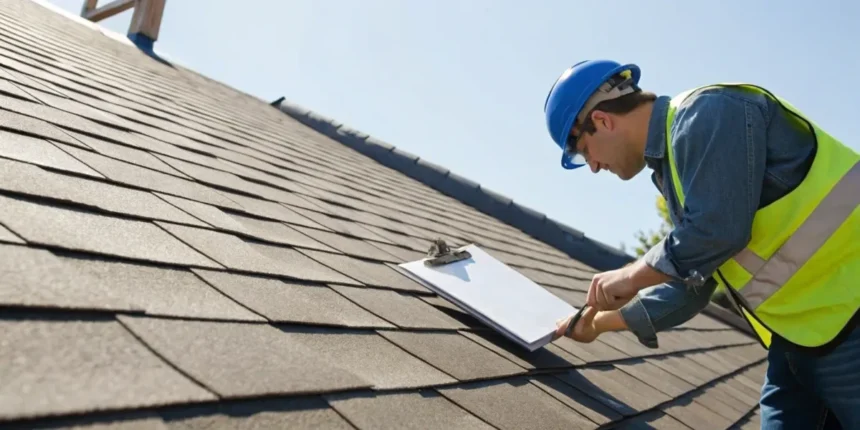
A roof inspection is one of the most important maintenance tasks for any property owner. Your roof serves as the first line of defense against rain, wind, snow, heat, and other environmental factors. Over time, exposure to harsh weather conditions can cause wear and tear that may lead to leaks, structural damage, and expensive repairs if left unnoticed.
- What Is a Roof Inspection?
- Why Is a Roof Inspection Important?
- Early Detection of Problems
- Extend Roof Lifespan
- Prevent Water Damage
- Improve Property Value
- Insurance Compliance
- When Should You Schedule a Roof Inspection?
- The Roof Inspection Process
- Common Problems Found During a Roof Inspection
- Signs You Need a Roof Inspection Immediately
- Water Stains on Ceilings
- Missing Shingles
- Sagging Roof Sections
- Increased Energy Bills
- Mold or Mildew Growth
- Benefits of Hiring a Professional Roof Inspector
- Roof Inspection Costs
- Roof Maintenance Tips
- Choosing a Reliable Roof Inspection Service
- Conclusion
Regular roof inspections help identify potential problems early, allowing homeowners to address issues before they become major concerns. Whether you own a residential property or manage a commercial building, scheduling a professional roof inspection can save both time and money in the long run.
In this guide, we’ll explore everything you need to know about roof inspections, including their importance, the inspection process, common issues found, and how often inspections should be performed.
What Is a Roof Inspection?
A roof inspection is a thorough assessment of a roof’s condition conducted by a qualified roofing professional. The purpose is to identify damage, deterioration, safety concerns, and maintenance needs.
During a roof inspection, professionals evaluate various components, including:
- Roofing materials
- Flashing
- Gutters
- Ventilation systems
- Chimneys
- Skylights
- Structural elements
The inspector typically provides a detailed report outlining any existing issues and recommended repairs.
Why Is a Roof Inspection Important?
Many homeowners only think about their roofs when a leak occurs. However, preventative maintenance through regular inspections offers significant benefits.
Early Detection of Problems
A roof inspection helps identify minor issues before they develop into costly repairs. Small cracks, loose shingles, or damaged flashing can often be repaired quickly if discovered early.
Extend Roof Lifespan
Routine inspections and maintenance can significantly extend the life of your roofing system by addressing wear and tear promptly.
Prevent Water Damage
Undetected roof damage can lead to water intrusion, which may cause:
- Mold growth
- Ceiling stains
- Wood rot
- Insulation damage
- Structural deterioration
Improve Property Value
A well-maintained roof enhances curb appeal and can increase a property’s resale value.
Insurance Compliance
Some insurance companies require proof of regular roof inspections, especially in areas prone to severe weather conditions.
When Should You Schedule a Roof Inspection?
Experts recommend scheduling a roof inspection at least once or twice per year.
After Severe Weather
Storms can cause significant roof damage. Schedule an inspection after:
- Heavy rain
- Hailstorms
- Strong winds
- Hurricanes
- Snowstorms
Before Buying a Home
A pre-purchase roof inspection helps buyers understand the condition of the property and avoid unexpected repair costs.
Before Selling a Property
A roof inspection can identify issues that may affect a sale and allow sellers to address them beforehand.
As Roofs Age
Older roofs require more frequent inspections to monitor wear and deterioration.
The Roof Inspection Process
Understanding the inspection process can help homeowners know what to expect.
Exterior Roof Assessment
The inspector examines the roof’s surface for visible signs of damage.
Common items checked include:
- Missing shingles
- Cracked shingles
- Curling shingles
- Damaged flashing
- Moss or algae growth
- Sagging areas
Structural Inspection
The structural integrity of the roof is evaluated for signs of:
- Uneven roof planes
- Rotting materials
- Structural weakness
- Poor installation
Interior Inspection
Inspectors often examine attic spaces and ceilings to identify:
- Water stains
- Moisture buildup
- Mold growth
- Ventilation issues
Gutter Evaluation
Gutters play a critical role in directing water away from the roof and foundation.
Inspectors check for:
- Blockages
- Rust
- Leaks
- Improper drainage
Common Problems Found During a Roof Inspection
A professional roof inspection may uncover several common issues.
Damaged Shingles
Shingles can become cracked, loose, or missing due to age and weather exposure.
Flashing Failures
Flashing protects vulnerable areas around chimneys, vents, and skylights. Damaged flashing often leads to leaks.
Roof Leaks
Even small leaks can result in extensive damage if left untreated.
Poor Ventilation
Inadequate ventilation can trap heat and moisture, shortening the roof’s lifespan.
Gutter Problems
Blocked or damaged gutters may cause water to pool on the roof and around the foundation.
Signs You Need a Roof Inspection Immediately
Certain warning signs indicate the need for an immediate inspection.
Water Stains on Ceilings
Brown or yellow stains may signal roof leaks.
Missing Shingles
Visible gaps in roofing materials should be addressed promptly.
Sagging Roof Sections
A sagging roof may indicate structural problems requiring urgent attention.
Increased Energy Bills
Poor roof insulation or ventilation can affect energy efficiency.
Mold or Mildew Growth
Excess moisture from roof leaks can contribute to mold development.
Benefits of Hiring a Professional Roof Inspector
While homeowners can perform basic visual checks, professional inspections provide greater accuracy.
Expert Knowledge
Professionals understand roofing systems and can identify hidden issues.
Safety
Roof inspections involve climbing and walking on elevated surfaces, which can be dangerous without proper training.
Detailed Reports
Most inspectors provide comprehensive reports with photos and repair recommendations.
Long-Term Savings
Identifying issues early can prevent expensive repairs and roof replacements.
Roof Inspection Costs
The cost of a roof inspection varies depending on factors such as:
- Roof size
- Roof complexity
- Property location
- Inspection type
In many cases, the investment is minor compared to the cost of major roof repairs or replacement.
Roof Maintenance Tips
To maximize the benefits of regular inspections:
Keep Gutters Clean
Remove leaves and debris regularly to ensure proper drainage.
Trim Overhanging Branches
Tree branches can damage roofing materials during storms.
Address Repairs Promptly
Fixing minor issues early helps prevent larger problems later.
Schedule Routine Inspections
Consistent inspections provide ongoing protection and peace of mind.
Choosing a Reliable Roof Inspection Service
When selecting a roofing professional, consider:
- Licensing and certification
- Insurance coverage
- Customer reviews
- Industry experience
- Detailed inspection reports
Researching providers carefully can help ensure quality service.